


Cultural Szczecin: The Sophie Auguste Tilebein Salon
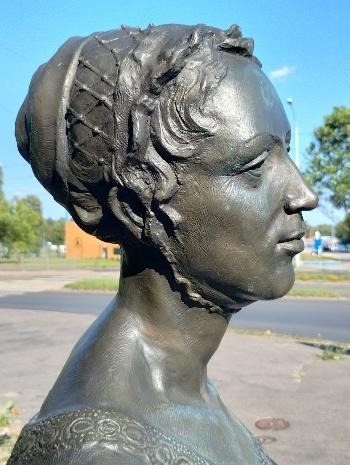

The turn of the 18th and 19th centuries was a time of great popularity for artistic salons in Europe, a variant of which were literary salons. These were gathering places for the intellectual elite, bringing together creators, audiences, and critics to discuss literature and art, as well as philosophy and politics. These meetings were held regularly, usually in private homes, and were often hosted by women. The origins of the salon can be traced back to antiquity and later the Renaissance. In the modern era, France was the definitive leader, where the institution of the salon developed during the reigns of Louis XIII and XIV (the 17th and 18th centuries). In Poland, the first and most famous literary salon was known as the Thursday dinners of Stanisław August Poniatowski. The salon of Princess Izabela Czartoryska in Puławy also enjoyed great popularity. In the 19th century, magnate salons developed, such as that of Wincenty Krasiński, alongside bourgeois salons, exemplified by the salon of Jadwiga Łuszczewska (Deotyma).
Also in 19th-century Szczecin (Stettin), salons—primarily bourgeois ones—were an important element of intellectual life. The most significant among them were the salon of Princess Elisabeth of Brunswick-Wolfenbüttel, the Kugler and Dohrn families, Mrs. Salingre, Sophie Auguste Tilebein, and Bishop Georg Carl Benjamin Ritschl. The salon of Sophie Auguste Tilebein (1771–1864) was among the most prominent.
Sophie Auguste, born in 1771 in Göttingen, was the daughter of the Englishman F.H. Pepin, a professor at the local university, and Henriette Louise de Perard from Szczecin. Henriette’s father, a pastor from Szczecin, was an intellectual whose library contained 10,000 volumes. Henriette died shortly after giving birth to her daughter, so little Sophie was raised by her relatives. They provided her with lessons in geography, religion, literature, and languages. She also studied music: singing and playing the harpsichord.
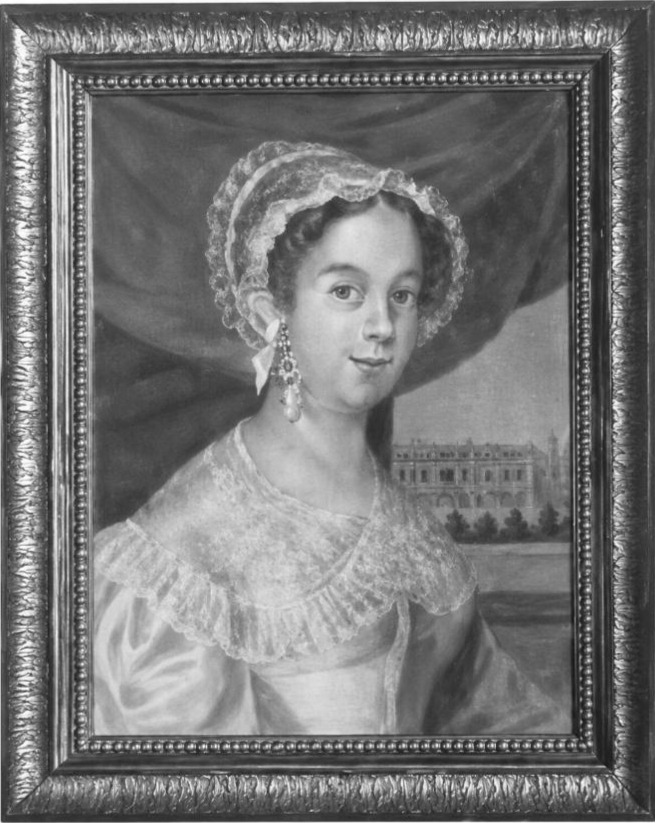
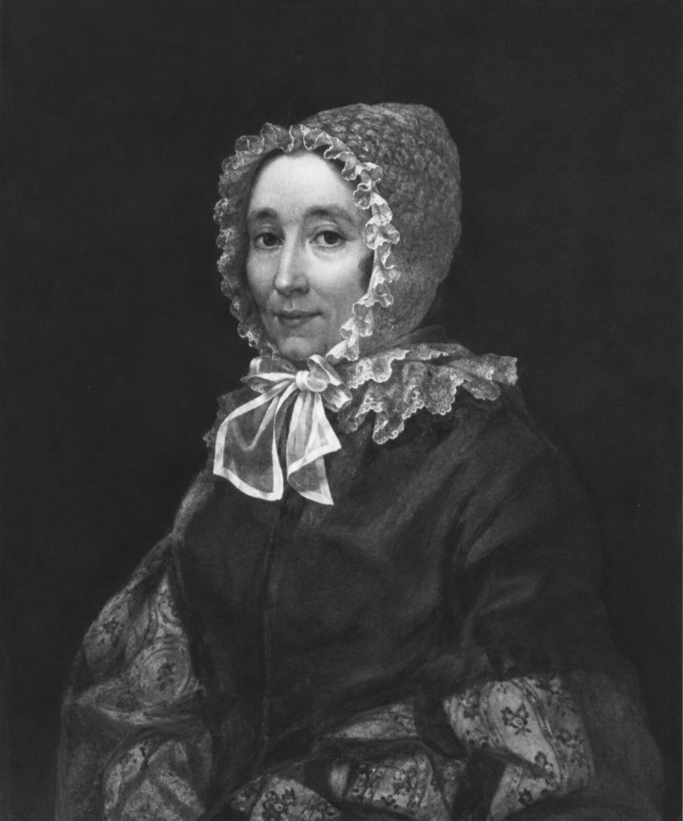
At the turn of 1787/1788 (or in 1787/1788), Sophie visited her mother’s sister living in Szczecin. It was here that she met and, in 1790, married the merchant Jean Rodolph Buyrette, whose family, much like her mother’s family, descended from French Huguenots who had arrived in Szczecin from France in the 18th century. Buyrette traded in timber and wine and also owned lumber yards. The couple had a house on Groß Oderstraße (Wielka Odrzańska Street) and also purchased a small house in Żelechowa.
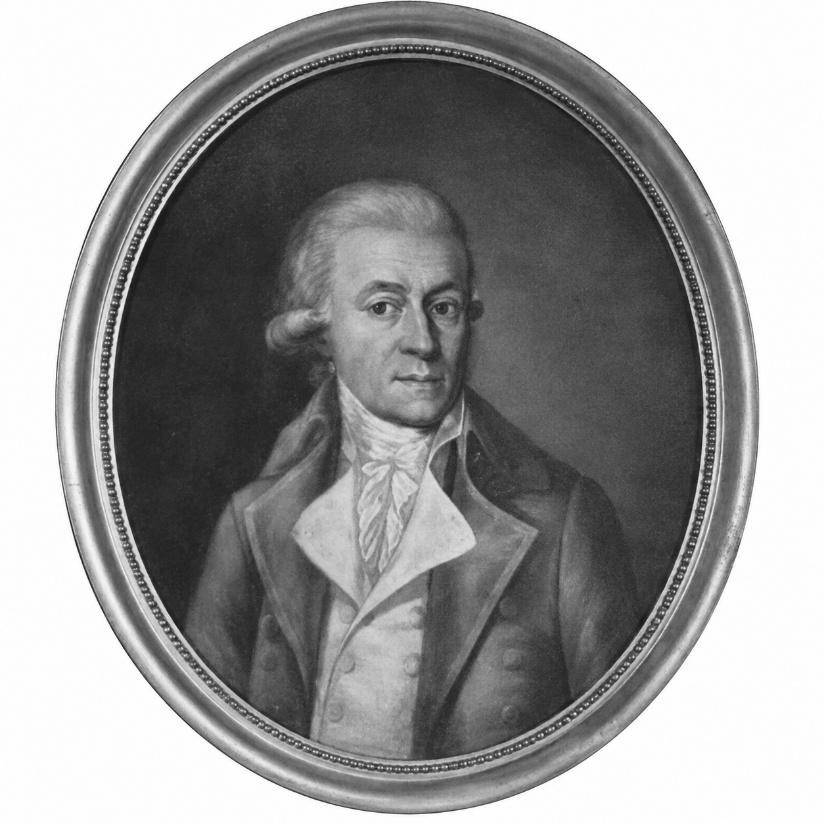
Unfortunately, after six years, Jean passed away. A year later, Sophie married for the second time, to another Szczecin wine merchant, Carl Gotthilf Tilebein, who also owned granaries on Szczecin’s Łasztownia. The couple took a one-year honeymoon trip, visiting the Netherlands, France, Denmark, and England.
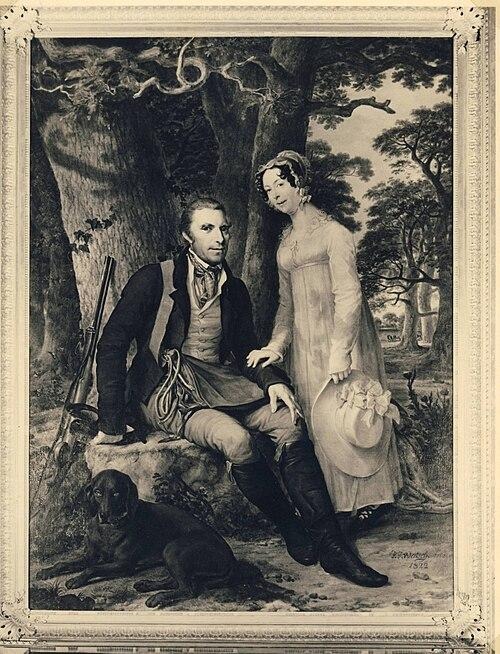
During their travels, they made acquaintances, attended concerts, and visited museums and theaters. Upon returning to Szczecin, they decided to choose two houses belonging to Sophie Auguste as their place of residence. One of them was located in the city center on Groß Oderstraße (Wielka Odrzańska Street), and the other in Żelechowa.
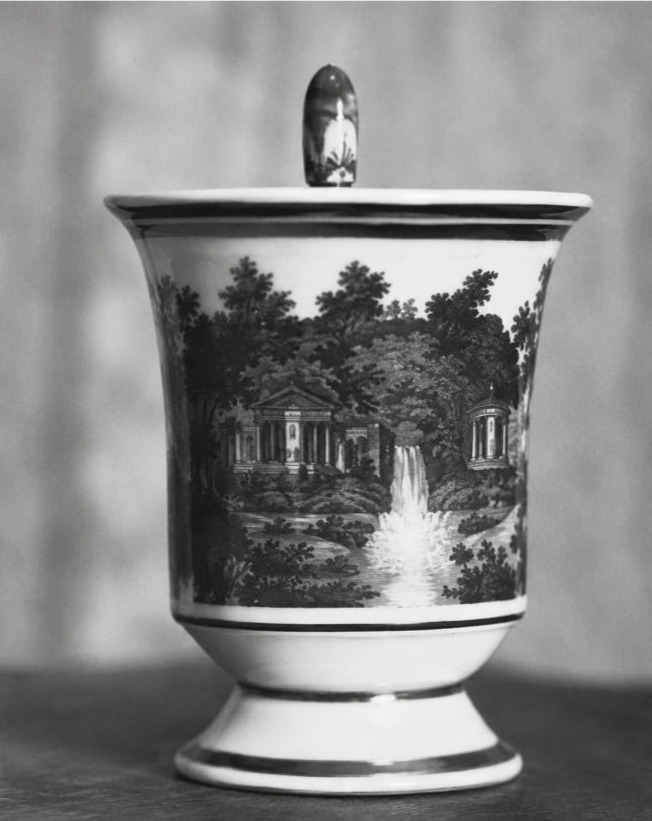
The latter was expanded. According to accounts, the first design for the reconstruction of the suburban residence, also known as the “little castle,” is said to have been prepared by the royal architect Karl Friedrich Schinkel, giving it the form of a classical palace situated in a garden. It was a fairly large, single-story, eleven-axis building with a portico framed by paired columns on the entrance axis. It was there that Mrs. Tilebein ran her salon for years. The building housed a rich library and also included a theater and music hall with numerous instruments, including three pianos, as well as rooms for the hosts and guests. The interiors were decorated in the fashionable Biedermeier style, ensuring coziness and comfort. The library contained eleven glass-fronted bookcases. The room was adorned with plaster busts of Goethe and his students. On the other side of the room was placed a small bust, a portrait of the lady of the house. Otto Altenburg, the biographer of the Tilebein family, suggested that the sculptor of the portrait of Sophie Tilebein could have been Friedrich Tieck (1776–1851), a student and collaborator of Johann Gottfried Schadow, one of the more important representatives of German neoclassicism and the creator of the Nicolaus Copernicus monument in Toruń.
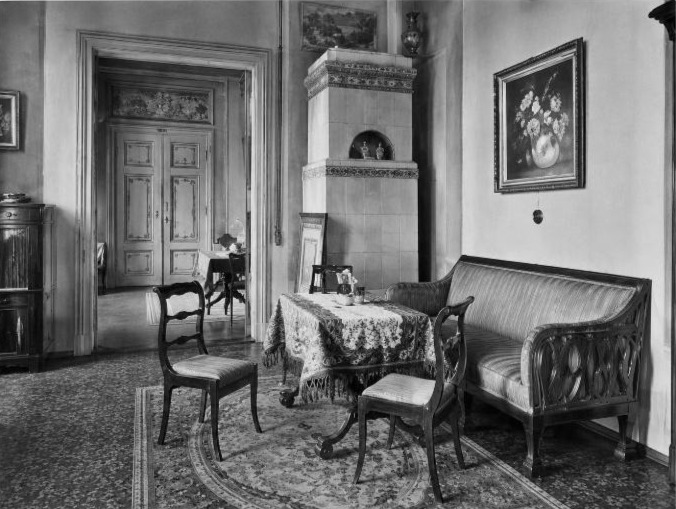
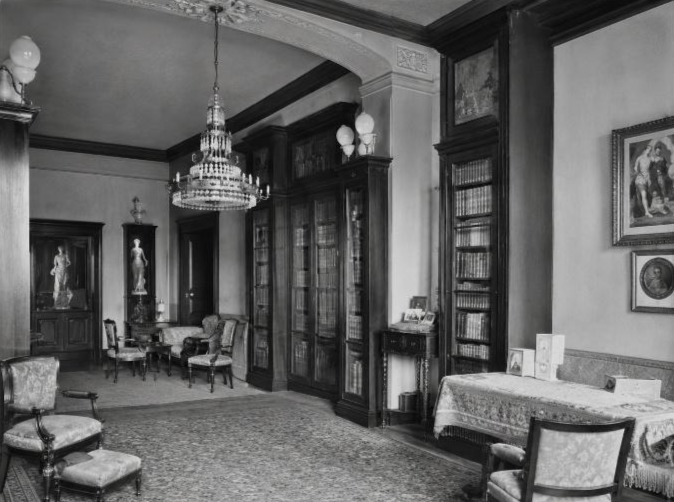
The lady of the house, who during her travels visited museums and possessed knowledge in the field of art, decorated the rooms with paintings and sculptures. Sophie painted pictures herself and created copies of works by the masters. Perhaps the copies of Raphael’s works, the Sistine Madonna and the Madonna della Sedia, visible in the photographs of the interiors of the mansion in Żelechowa, came from her brush.
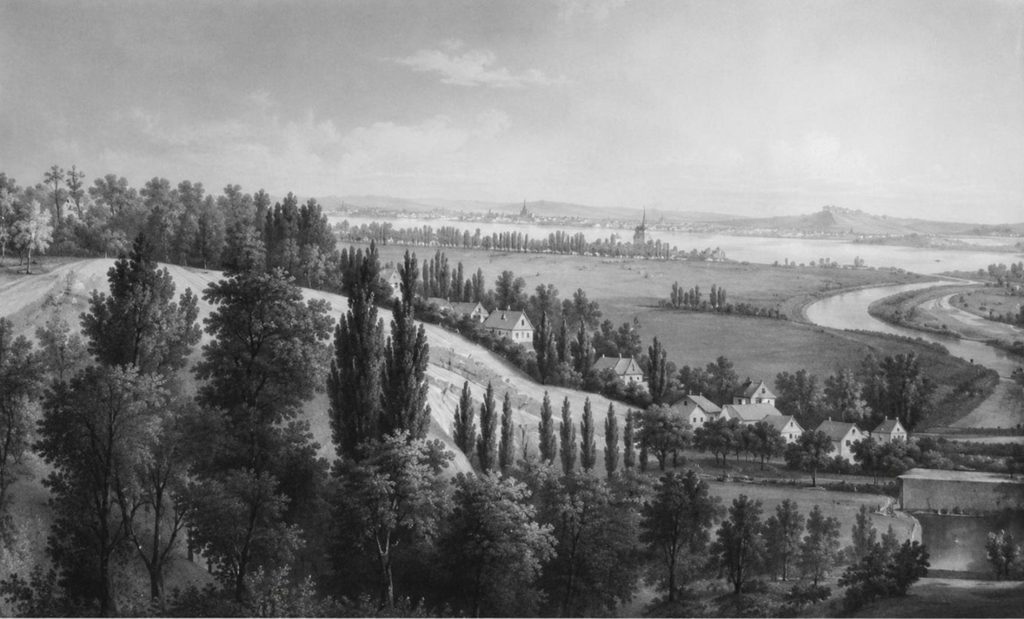
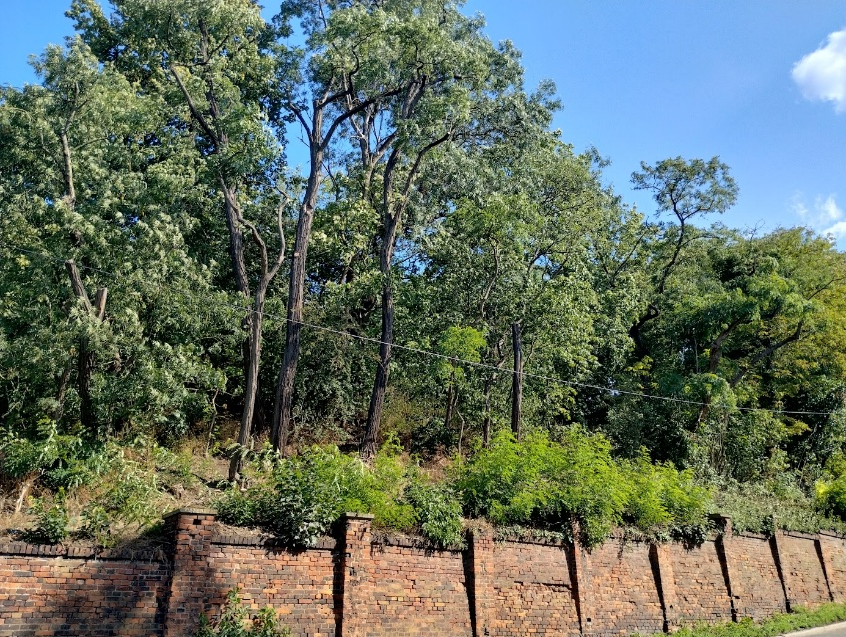
The meetings gathered Szczecin’s high society; guests, primarily musicians, were invited from all over Germany. Initially, the visits had a purely social character, but they quickly evolved, and the salon became the center of intellectual and artistic life. Guests could count on exquisite refreshments. Among other things, quince jelly, fruit in brandy, and famous French wines from the Medoc region (Cabernet and Merlot) were served. The atmosphere was conducive to discussions, recitations, and concerts.
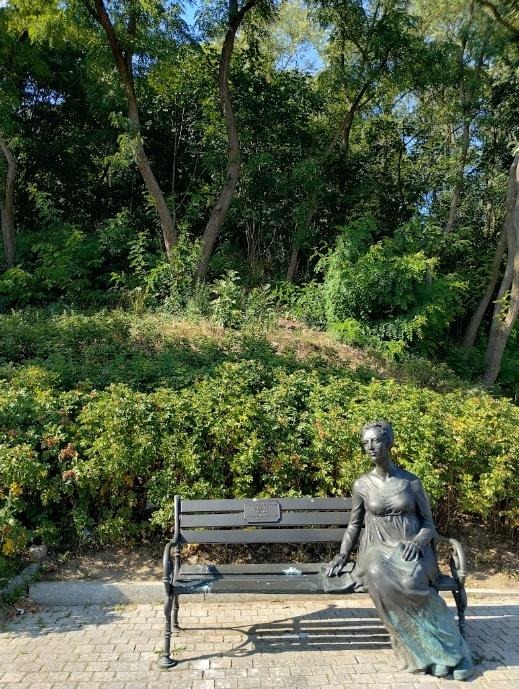
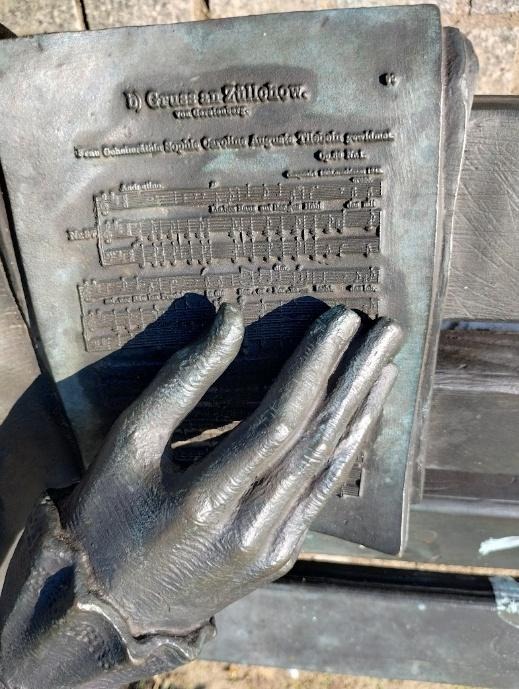
Also visiting the Tilebein home was Loewe’s daughter, Adele (1827–1851), who was an acclaimed singer. The close relationship, and even friendship, between Sophie Auguste and Loewe is evidenced by their correspondence and its content. This correspondence was preserved and partially published by the Szczecin historian and teacher Otto Altenburg (1873–1950).
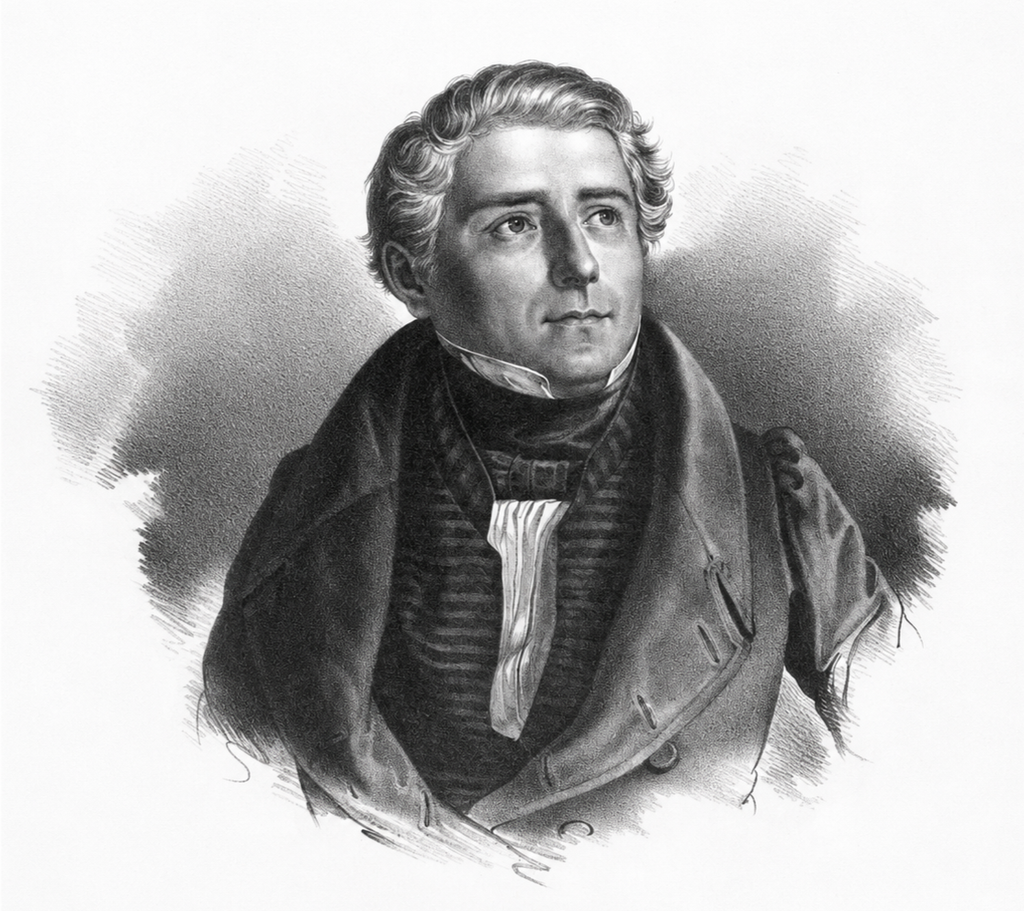
In July 1820, Carl Tilebein died. Grief-stricken by the death of her husband, Sophie traveled to Weimar in 1821 along with her friend Caroline Velthusen. There she met the poet Müller von Gerstenbergk, who after some time proposed to her, but was refused. However, they maintained correspondence until the man’s death in 1838.
Besides Loewe, many artists frequented the salon. The owner was musically and artistically talented. She was given painting lessons by Georg Weitsch (1758–1828), a member of the Prussian Academy of Arts and royal court painter. A literary authority was Johann Christian Friedrich Succo (1764–1807), a Szczecin professor at St. Mary’s Gymnasium who led discussions on philosophy and poetry and recited poems. In 1826, Johann Wolfgang von Goethe’s daughter-in-law arrived in Szczecin along with her sons—the poet’s grandsons, Walter (born 1818/19) and Wolfgang (born 1820). They were hosted by Mrs. Tilebein in Żelechowa. The poet’s grandsons visited Szczecin again on their way to Rügen in 1836 and were entertained by her then as well.
The salon of Sophie Tilebein in Żelechowa was an important landmark on the cultural map of the capital of Western Pomerania at the time. Musical performances played a major role in it. Thanks to such salons, artists had the opportunity to present their skills and make connections beneficial to their future endeavors. For the creator of the salon and its visitors, it was a venue for meetings, the exchange of ideas, and contact with art and its creators. A closer look at the activities of the Żelechowa salon makes it clear that the saying “Pomerania non cantat” (Pomerania does not sing) was not true with regard to 19th-century Szczecin.
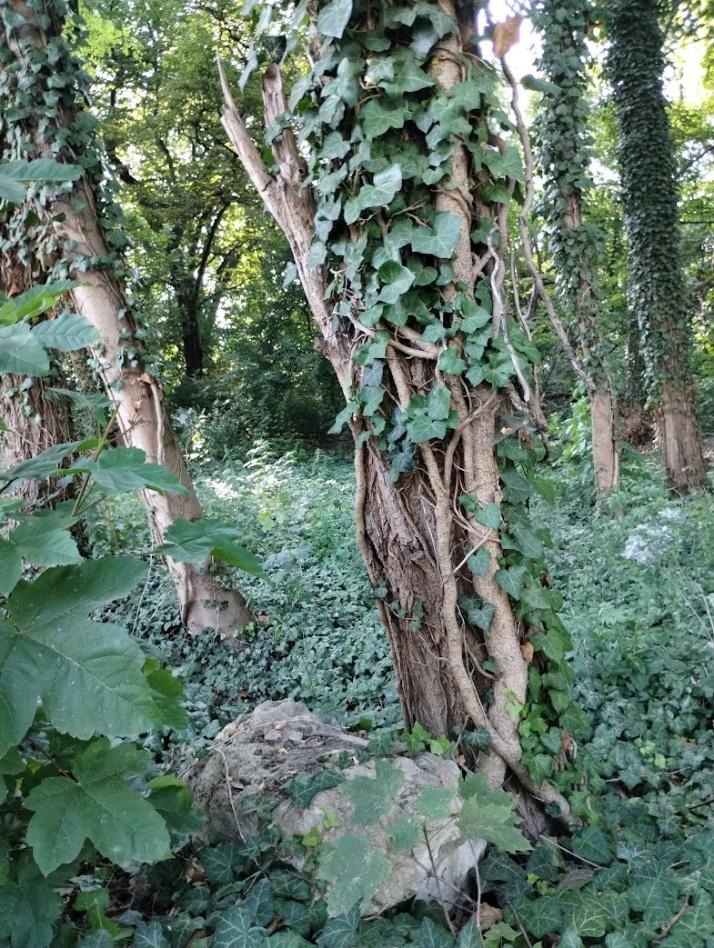
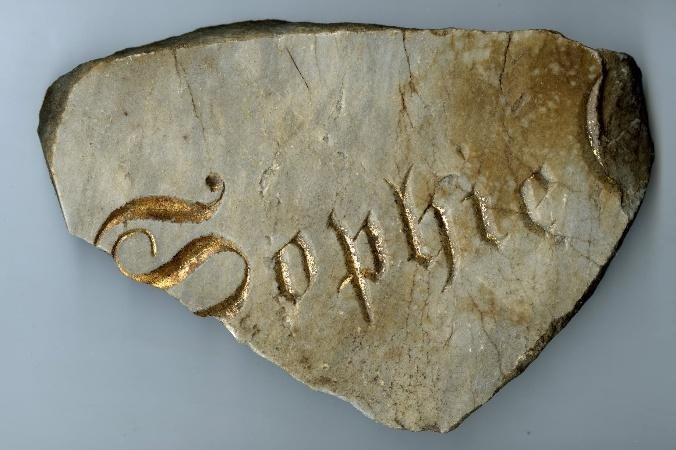
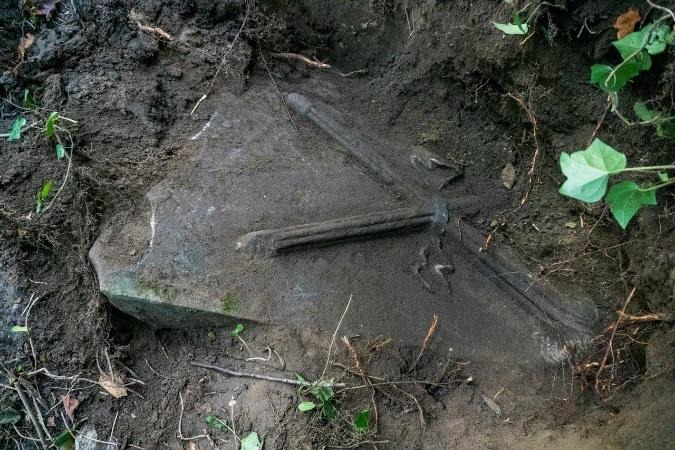
More:
Otto Altenburg. Die Tilebeins und ihr Kreis: : Stettiner Bürgerkultur im 18. und 19. Jahrhundert, vornehmlich in der Goethezeit, Stettin: Leon Sauniers Buchhandlung 1937.
Joanna A. Kościelna, „Piękna Pani Tilebein. Francuzka w Szczecinie”, https://sedina.pl/wordpress/index.php/2014/07/09/piekna-pani-tilebein-i-francuzka-w-szczecinie/
Joanna Tylkowska-Dróżdż, Szczecińskie salony muzyczne XIX wieku, Wydawnictwo Adam Marszałek, 2021.