


-
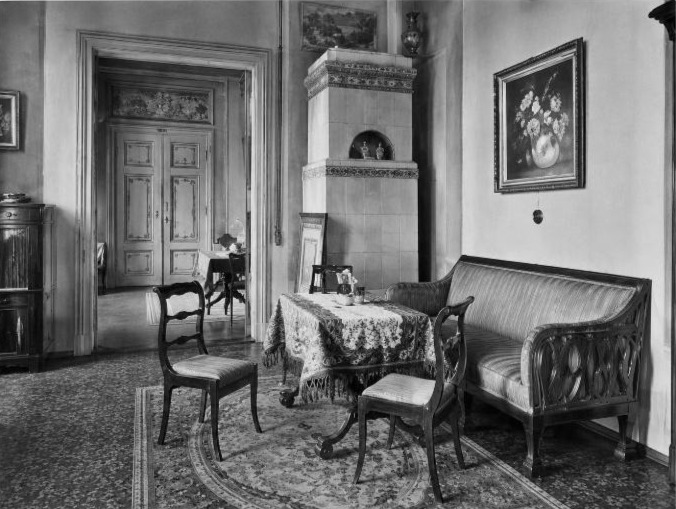
Cultural Szczecin: The Sophie Auguste Tilebein Salon
By • September 2, 2026The turn of the 18th and 19th centuries was a time of great popularity for artistic salons in Europe, a variant of which were literary salons. These were gathering places for the intellectual elite, bringing together creators, audiences, and critics to discuss literature and art, as well as philosophy and politics. These meetings were held… -
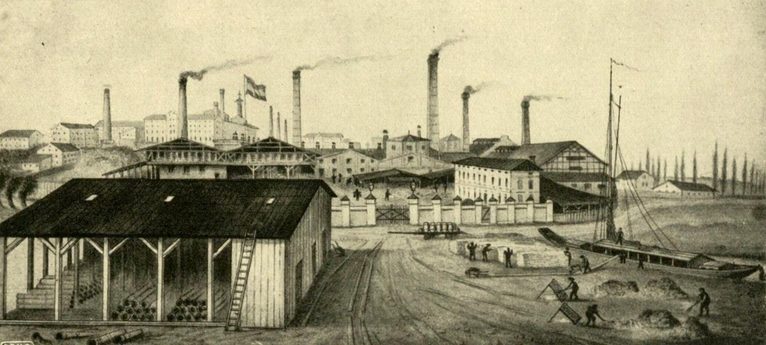
The Economy of the Pomeranian Province in the 19th and the First Half of the 20th Century
By • September 2, 2026Before the rhythm of factory sirens and massive industrial structures permanently varied the landscape of the Pomeranian province, the everyday life of the local inhabitants resembled a struggle with the traditional order. In the first half of the 19th century, this region was characterized by its agrarian nature, where the dynamics of economic processes were… -
Railways in Western Pomerania in the First Half of the 20th Century (until 1945)
By • July 9, 2026Twilight of the former order and geopolitical changes In November 1918, World War I was drawing to a close. Western Pomerania, much like the rest of defeated Germany, found itself facing transformations that were extremely painful for both the state and society. However, the end of prolonged military operations did not mean an immediate… -
The beginnings of railways in Western Pomerania (until 1918)
By • July 9, 2026Western Pomerania on the Threshold of the Industrial Revolution Before railway routes diversified the landscape of Western Pomerania (the Province of Pomerania), traveling across it frequently resembled a struggle with the elements. In the first half of the 19th century, Pomerania was an agricultural region where the rhythm of life was dictated by the seasons… -
NSDAP and the Nazi Movement in the Province of Pomerania from 1922 to 1945
By • July 4, 2026Until 1928/1929, the National Socialist German Workers’ Party (NSDAP) constituted a marginal and rather unstable political force in Prussian Pomerania. Despite the establishment of the first local group (Ortsgruppe) in Szczecin as early as 1922 and the creation a year later of the Pomeranian district (Gau) headquartered in Greifswald, the party under Adolf Hitler… -
Cultural Life and Art in Pomerania from the Second Half of the 17th Century to 1945
By • July 4, 2026The 17th century was a turning point in the history of the Griffins’ Duchy, which had existed since the 12th century. In 1637, Bogislaw XIV, the last ruler of the dynasty, died. This event marked the end of an important phase of dynastic rule and the functioning of the Duchy of Pomerania, which had… -
Museums in Pomerania until 1945
By • June 17, 2026Until 1945, today’s West Pomerania was part of the Prussian, and subsequently German, province of Pomerania (Provinz Pommern). Just as in other regions of Germany, a well-developed network of regional museums emerged here as well. Both in district towns and in many smaller localities, there existed regional museums of the Heimatmuseum type or memory rooms… -
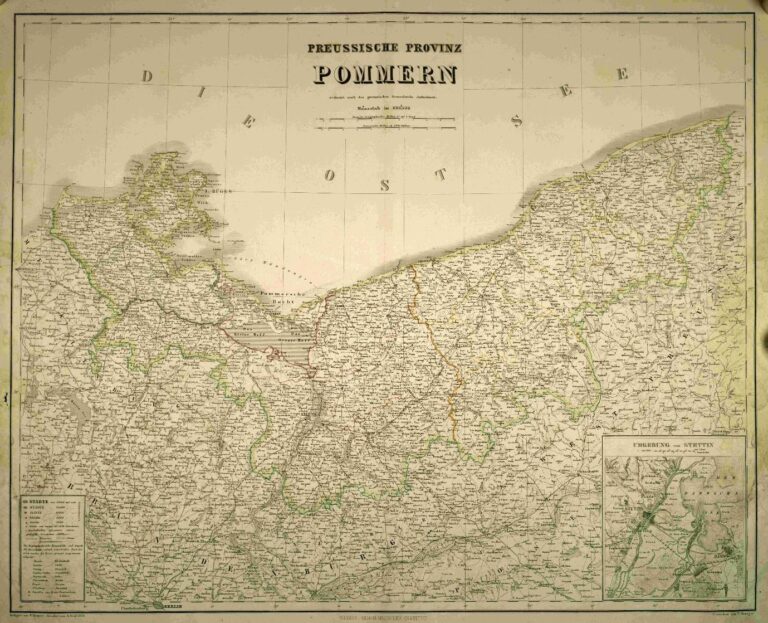
Constitutional and Political Transformations of Pomerania, 1806–1945
By • June 17, 2026At the beginning of the 19th century, Pomerania for the most part formed a province of the Prussian state. Only the north-western borderlands, a small fragment of the former Duchy of Pomerania (Western Pomerania north of the Peene River, including the island of Rügen), remained under Swedish rule. In terms of its political system, Prussian… -
World War II in Pomerania
By • June 16, 2026The German province of Pomerania (Provinz Pommern) held an important place in the preparations for the attack on Poland in 1939. Its most important city, Szczecin (Stettin), was situated in a strategically vital location, by a main transportation route based on the unfinished Berlin–Königsberg highway, which allowed for the deployment of troops to the north-western… -
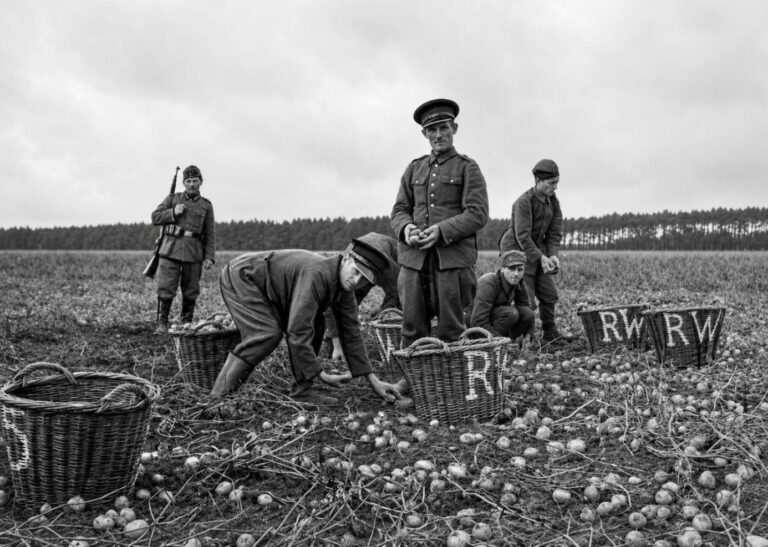
Polish workers in the Province of Pomerania from 1871 to 1945.
By • June 16, 2026From seasonal labor to forced exploitation for the economy of the Third Reich The labor market in the German Empire, proclaimed in 1871, was characterized by a distinct wage gap between the western and eastern parts of the country, as well as between urban and rural areas. The rural depopulation (Landflucht), which escalated…