


Jedynka like in a kaleidoscope
This statement will be in the form of a capsule summary. The point was to capture the history of Szczecin since 1945 in a kaleidoscopic abridgement. For this abridgement, it was necessary to find a certain key that would make it possible to record eighty years of the Polish school’s existence. The terms of office of the directors became this key. However, it should be remembered that the school was created by everyone who spent time within its walls: starting from the management, through administrative staff and teachers, to the students and parents. Behind the names of the directors lie many stories, names, relationships, and worldviews, thanks to which Szczecin acquired its own character and gained its personality—one that is shaped today by all of us living here.
The school has been run by ten directors, with Ewa Budziach being the eleventh. Janina Szczerska was the only one to hold this position twice. Each of the directors to some extent continued the efforts of their predecessors while simultaneously introducing activities stemming from their individual worldview or… political propaganda (during the times of the Polish People’s Republic). Certainly, most of them had to take state policy into account in various forms of managing the institution or attempt to bypass it. In a word: taking on the responsibility for the school’s functioning was not easy.
The beginning. April and May 1945. It was then that schools were slowly organizing and emerging in Western Pomerania. Stanisław Helsztyński (the Superintendent of the Szczecin School District) proposed to Janina Szczerska, who was returning from the Ravensbrück concentration camp, the creation of a middle and general secondary school. Janina Szczerska searched for what she believed to be the best location. She chose the building at 12 Piastów Avenue because it had survived in good condition compared to other buildings in the city. Stanisław Helsztyński personally gathered the necessary equipment abandoned on the streets and courtyards of Szczecin.
On September 2, 1945, sixty-six students began their education at the school (by 2025, we have approximately 15,000 graduates). Every day new residents arrived in the city, and consequently, more and more students appeared in the building at 12 Piastów Avenue, which required the principal and the teaching staff to take concrete steps to streamline teaching. Janina Szczerska profiled the classes, and the curriculum implemented in them resembled the pre-war school known to her from her earlier experience (she was a principal in Siedlce).
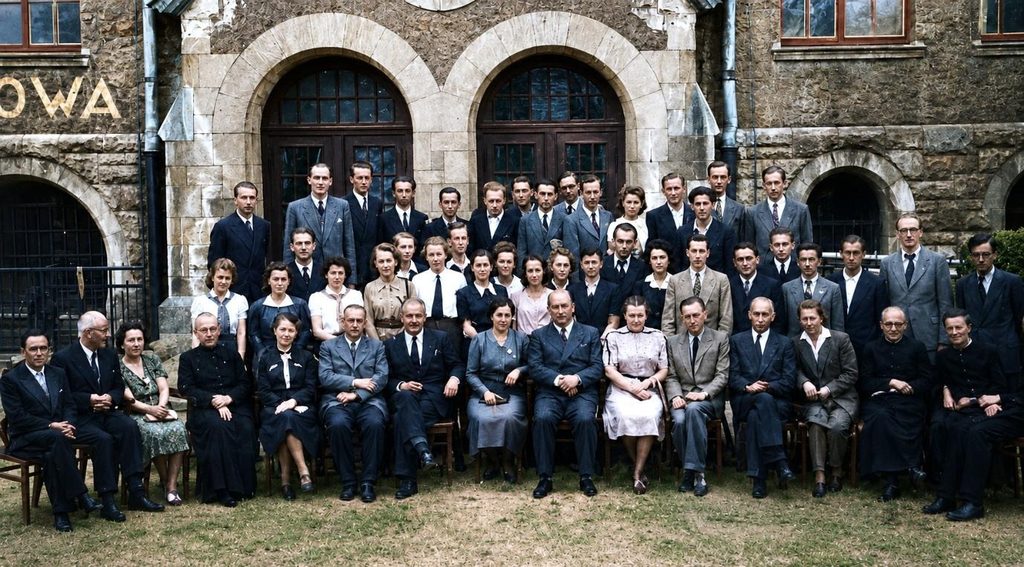
It is difficult to characterize the principal running the school. Her worldview, rooted in pre-war times, was put to the test. In the years 1947–1948, the authorities of the time refined and increasingly openly utilized propaganda tools. In a sense, Janina Szczerska had to yield to them and act in accordance with party instructions intended for educational staff. On the other hand, it is known that she helped female students whose parents had ties to the Home Army (Armia Krajowa). What actual knowledge did the rulers of the time have about Janina Szczerska? It is not known. We know that in June 1951 she received a reprimand, and in September she was dismissed from her position as principal. The rest happened very quickly; she was not even allowed to pack her things from her desk. By political appointment, the new principal became Maria Wołczakowa (1951–1953), who carried out tasks initiated by Janina Szczerska, such as: ensuring the patriotic upbringing of the female students (it being a Girls’ High School), fostering love and gratitude towards the Soviet Union, and a devotion to everything that served the construction of socialism. Probably, the aforementioned tasks were the result of top-down directives.
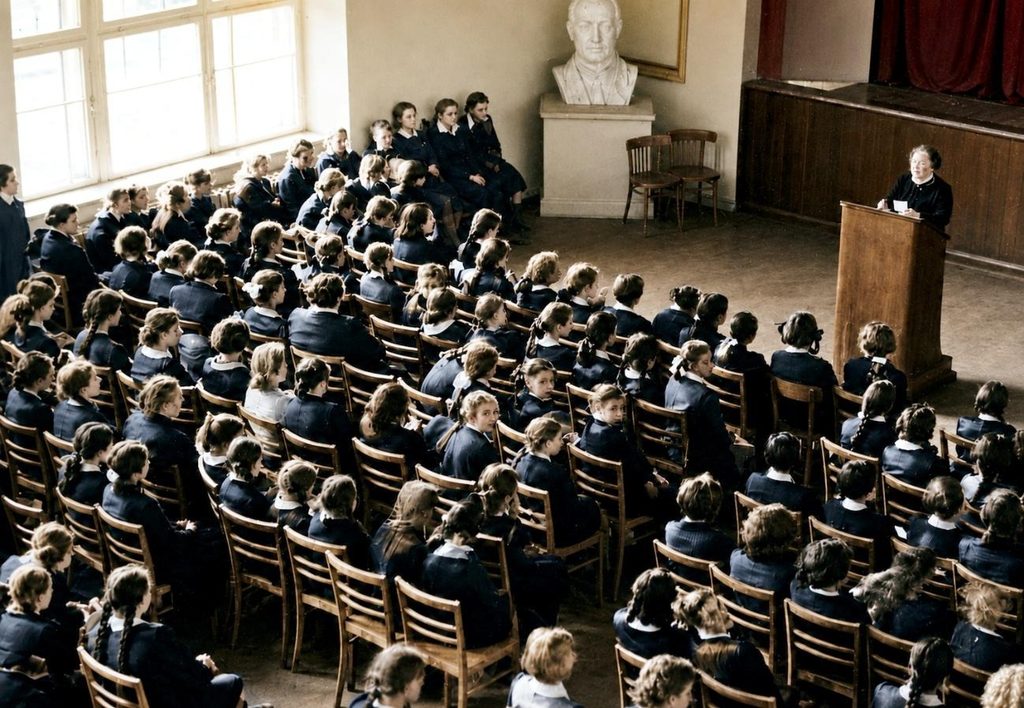
The first male director of the Primary School and Girls’ High School was Zygmunt Ziółkowski (1953–1954), who enjoyed the respect and recognition of both the female students and the teaching staff. He himself emphasized that one should: “ensure the cohesion of educational and pedagogical activities (both are of equal value), care for every child to an equal degree, although individuality must be respected […]”. However, much like the previous principals, he implemented the curriculum assumptions of the Central Committee of the Polish United Workers’ Party (PZPR). It was due to him that morning prayers were abolished starting September 2, 1953. In their place, daily assemblies were introduced, for which the following were responsible: the director, designated teachers, or female students belonging to organizations functioning within the school, such as the student government or the Polish Youth Union.
The topics of individual assemblies (recorded in the minutes of the teachers’ council meetings) illustrate one of the forms of shaping young minds in the spirit of the ideology of the Polish United Workers’ Party. For example, in September alone, the main topics concerned: the anniversary of the death of Ivan Turgenev (a Russian writer of critical realism), the birthday of Juliusz Słowacki, the announcement of the Polish Committee of National Liberation decree on agrarian reform, the death of Marcin Kasprzak, Warsaw as the capital of a state building socialism, the anniversary of the deaths of Julius Fučík and Marian Buczek, the birthdays of Leo Tolstoy and Adam Asnyk, Polish-Soviet friendship, the death of Dante Alighieri, the birthdays of Felix Dzerzhinsky (the founder of the first Soviet security organs) and Paweł Finder (Secretary General of the Central Committee of the Polish Workers’ Party in the years 1942–1943), the anniversary of the adoption of the 3-year reconstruction plan by the State National Council (KRN), the anniversary of the resolution of the USSR Council of Ministers on the construction of the Kakhovka Power Plant, the anniversary of the death of Alexander Radishchev (a Russian writer and philosopher), the birthday of Ivan Pavlov, and others. The morning assemblies were mostly closely connected with the art and science of the Soviet Union, as well as with Polish achievements, but only those associated with promoting the ideas of socialism.
Despite the aforementioned assemblies and many other actions taken by Director Ziółkowski, he was treated by the authorities of the time in a manner similar to Janina Szczerska. It is not known why he was dismissed from his position as director, and Zofia Altszylerowa came in his place, only to share the fate of her predecessors. The 1955/1956 school year was already led by Jan Rybarski.
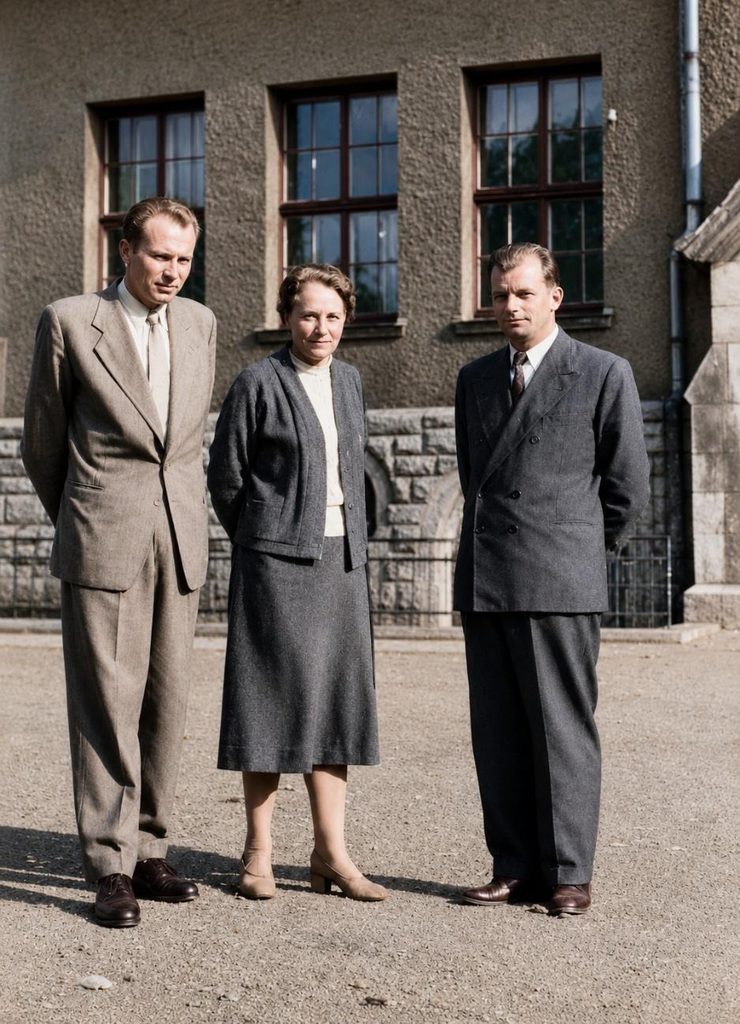
As we know, the year 1956 was a memorable time (one of the morning assemblies was dedicated to Władysław Gomułka). The apparent liberalization of social life was associated with discussions about religion classes (it was introduced into schools as an extracurricular subject for believers). It was also then that the school became co-educational. To motivate students for academic and social work, the director encouraged teachers to create more interest clubs, including classes of a practical nature (manual crafts, cooking, etc.). Furthermore, thanks to the management and teaching staff, a medical and social counseling clinic was launched at the school, which any parent who was struggling with their child or simply wanted to gather knowledge in the field of upbringing could consult.
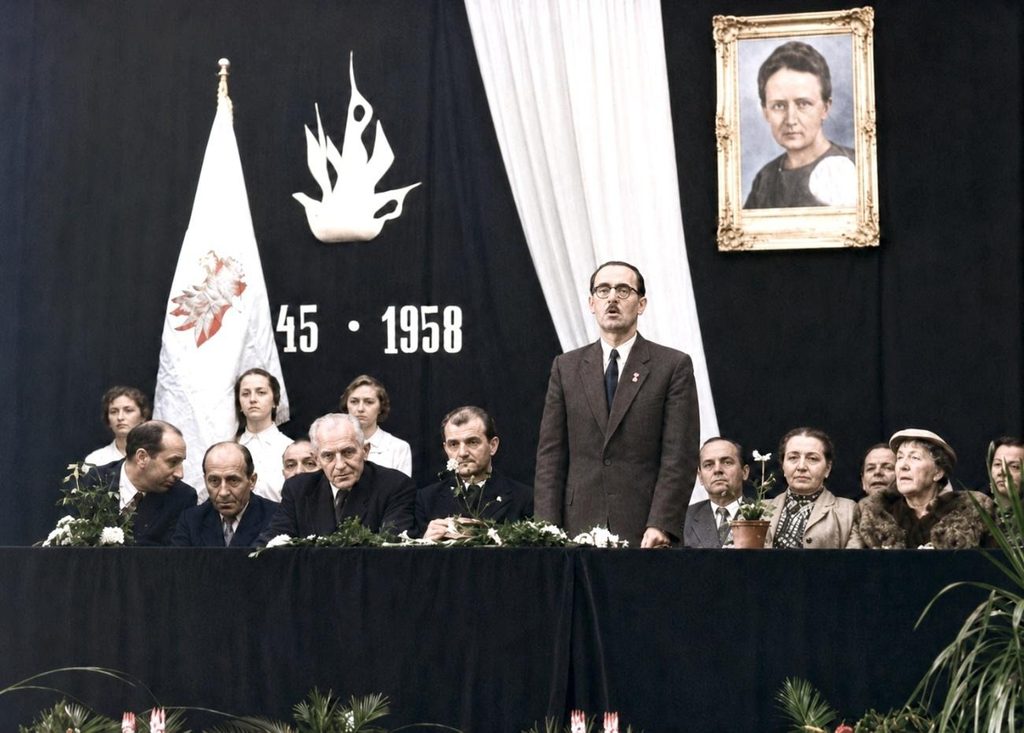
Following in the footsteps of his predecessors, Jan Rybarski campaigned to give the school a name. In earlier years, it had already been proposed that Maria Skłodowska-Curie become the school’s patron. In 1957, Nicolaus Copernicus or an unspecified historical figure were also proposed. As a result of a vote, the choice of Maria Skłodowska-Curie was decided. And so, since 1958, the school has had its patron and its banner. A year later, Jan Rybarski ceased to serve as director. We do not know the reasons for his departure. Only Czesław Opaluch explains the director’s absence, informing about his military service. Interestingly, the 1959/60 school year is once again started by Janina Szczerska.
And it was not an easy time for the principal, teachers, and students. Teachers who worked with Janina Szczerska right after the war welcomed her warmly. She was greeted similarly by the other teachers. However, it is hard to speak of a warm atmosphere, because Janina Szczerska immediately began introducing her vision of school life. She expected teachers to use new teaching tools. She assigned specific tasks related to running extracurricular clubs to every teacher. She did not agree to excessive freedom among students during breaks, which—in her opinion—”are for resting, not for making noise.” Consequently, she introduced order during breaks consisting of students walking on the right side of the corridor. The principal also paid attention to clothing. Legend has it that she measured the length of female students’ skirts.
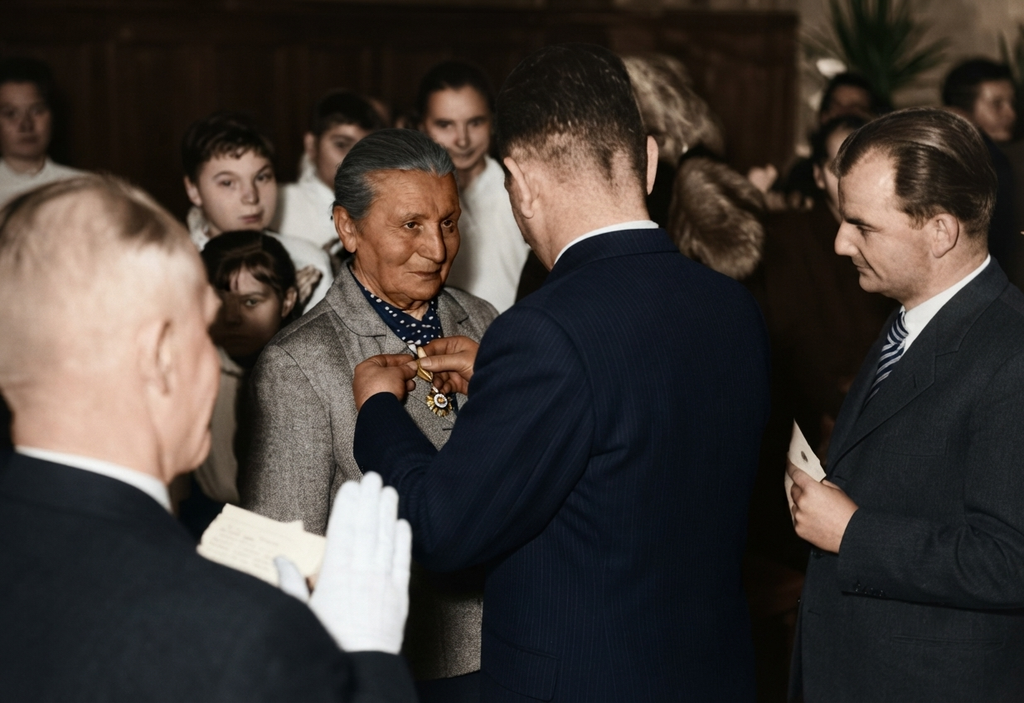
At the beginning of the sixties, we deal with the so-called small reform, under which primary schools became eight-year institutions and the high school became a four-year one. Consequently, the primary school functioning in High School No. 1 since 1945 was liquidated (phased out). Only the four-year high school remained, and an evening school for adults was established. This was quite a challenge for all the directors.
An additional difficulty turned out to be the inspections carried out in all schools. The Teachers’ Council of High School No. 1 was told that it was not raising the youth in the spirit of socialism, and furthermore, it was pointed out that out of 37 teachers employed at the school, only ten belonged to the party. What did the inspectors discuss with the school’s principal after the inspection? It is not known, but it is known that before the start of the 1963/64 school year, Szczerska decided that teachers should “thoroughly familiarize themselves with the report of comrade W. Gomułka at the 13th Plenum,” in which we read: “propaganda hostile to socialism conducted by internal and external reactionary forces is aimed primarily at the youth. The youth, who have not experienced life under capitalism, often cannot comprehend, on the basis of their own experience, the magnitude of changes for the better that our country owes to socialism.”
And once again, the reasons for Janina Szczerska’s departure are unclear. We know that in October 1965 she took a two-week leave, and in December of the same year she retired. It is difficult to determine whether she retired of her own free will or was forced to do so. The position of principal was taken over by Marianna Rynasiewicz, who was a very concrete and pragmatic person focused on solving problems rather than multiplying them. However, the new principal did not escape management in the socialist spirit. She had to remember that the appropriate authorities were overseeing the proper functioning of educational institutions. Her activity intensified when the authorities initiated a competition among Szczecin high schools in 1969. Objectivity is hard to come by in such a rivalry. Points were awarded for individual school areas, which meant teachers had to keep flawless and detailed documentation (class and extracurricular activity registers, youth organization records, chronicles, albums, magnetic tapes, teacher notebooks—curriculum distribution, student notes, minutes of teachers’ council meetings). All these activities were evaluated by the management, and additional subjects of evaluation included: the percentage of students without failing grades for the first semester, attendance, library readership, and tests measuring learning outcomes. High School No. 1 found itself at the forefront of the competing high schools. This was further confirmed by the results of university entrance exams, which turned out very favorably for High School No. 1.
It is worth mentioning that in the 1968/69 school year, a new subject was introduced into schools—civic education—which focused on instilling ideological content in the youth. The curriculum included a series of lectures conducted by members of the Polish United Workers’ Party (PZPR). Marianna Rynasiewicz provided additional guidelines for implementing the content of civic education; for example, a lesson titled “Lenin Lives Forever and the Participation of Poles in the October Revolution” had to be conducted. Teaching civic education caused many difficulties for teachers, as students questioned the content presented by the educators.
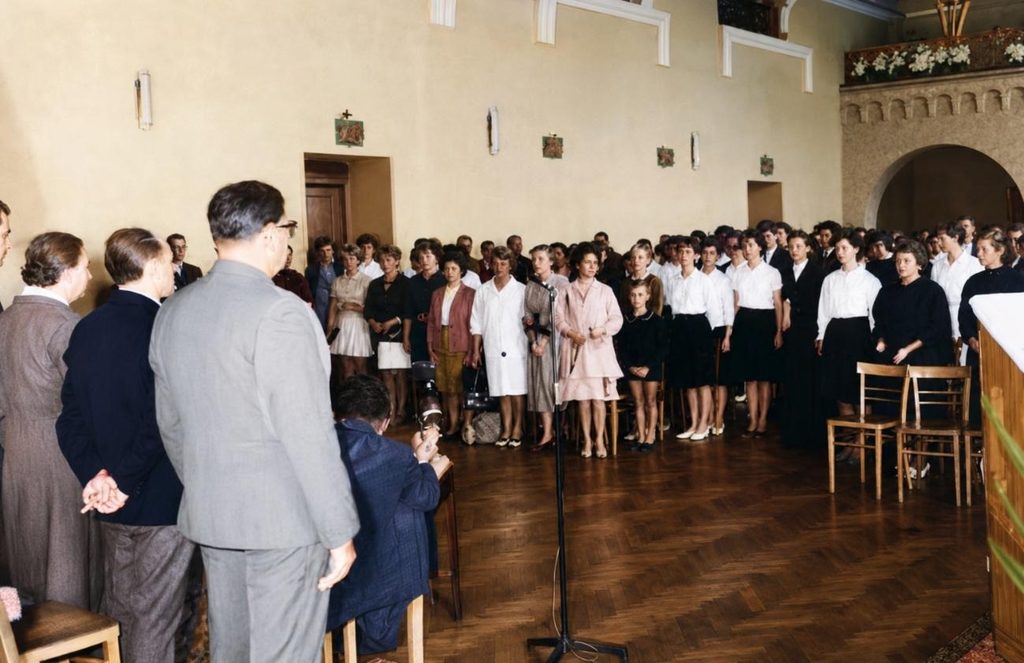
They were resistant to what they were listening to. Some teachers fulfilled the duty of teaching civic education with great commitment, while others ignored the subject because it conflicted with their personal beliefs.
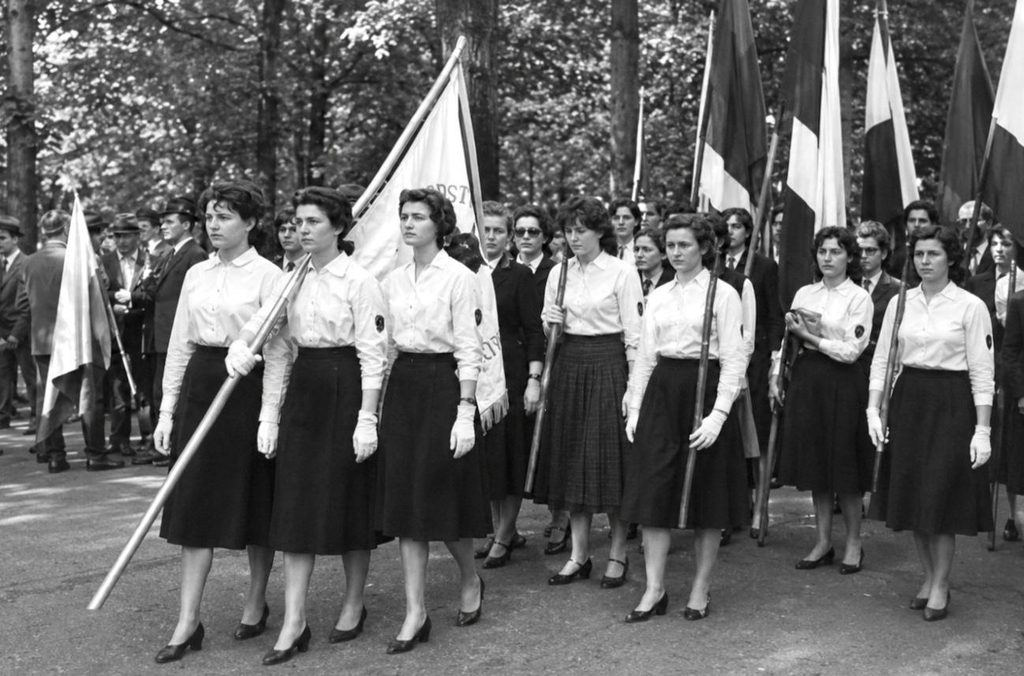
Apart from political activities, Rynasiewicz’s commitment to matters concerning students’ individual difficulties should be emphasized. The principal instructed teachers to create a list of names of students having trouble with their studies. She declared that she would arrange for additional hours for teachers so they could individually conduct so-called remedial classes or sessions to help students catch up.
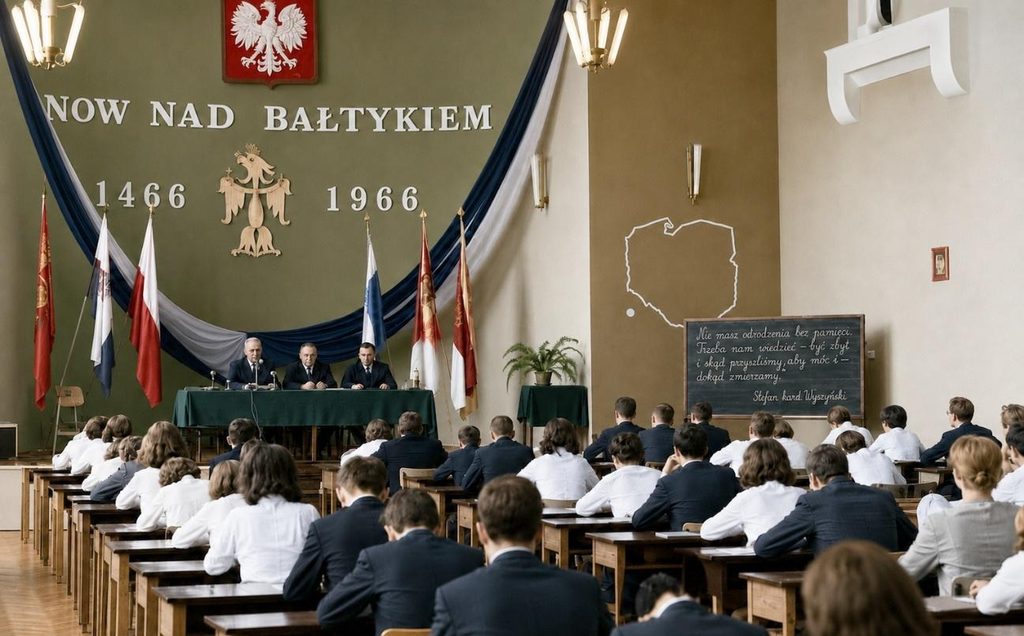
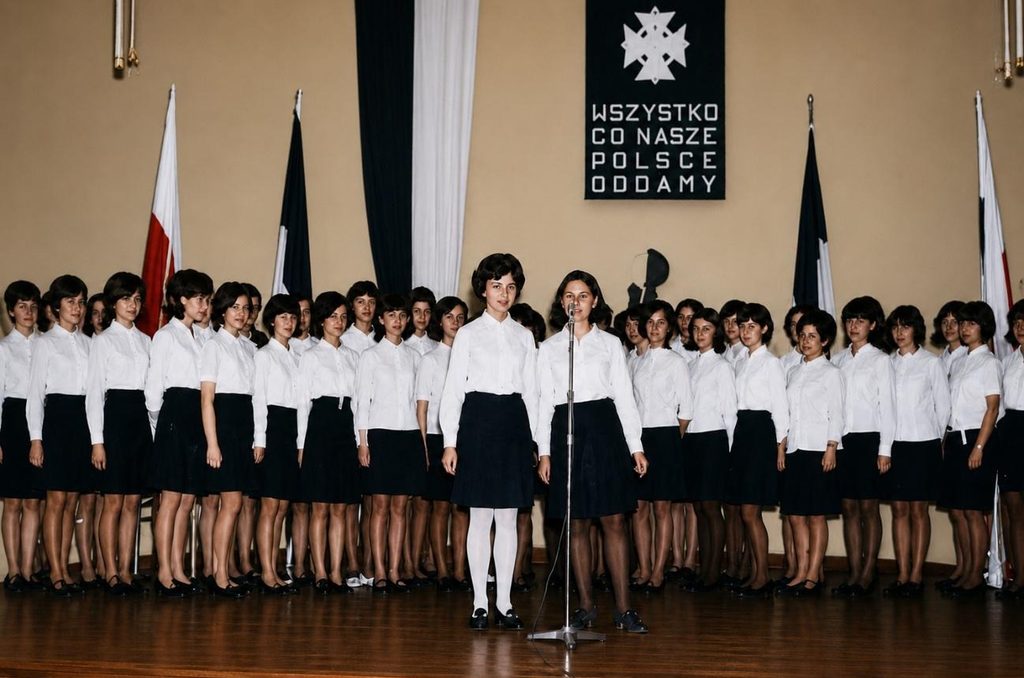
In 1979, Marianna Rynasiewicz started working at the education authority as an inspector, and the school began to be run by Jerzy Sarosiek, who carried out the tasks of the Polish United Workers’ Party (PZPR) and, fundamentally, we do not know much more. From the minutes, it can be deduced that political topics were increasingly discussed at teachers’ council meetings. When wage increases for teachers are mentioned, the authorities approach this information skeptically. In the 1980/81 school year, alongside the Polish Teachers’ Union (ZNP), a new union begins operating: “Solidarność” (Solidarity). Due to tensions between the authorities and citizens, the youth become active, participating, for example, in the celebrations commemorating the 10th anniversary of the December events. Some classes did not inform their form tutors and the management about leaving the school. It is difficult to reconstruct what happened in the school after December 13, 1980, but we know that in January 1981, Director J. Sarosiek resigned from his position for unknown reasons. The teaching staff chose the next director, and Jan Kujawa briefly assumed the role.
The August teachers’ council meeting in 1982 was already led by the new principal, Zygmunt Szydłowski, who held this position until December 1990. This was a time of great transformations. On the one hand, the PUWP (PZPR) tried at all costs to regain public trust, while on the other hand, society expected the democratization of the country. Zygmunt Szydłowski had to implement the ideological assumptions of the authorities of the time, whereas some of the teachers and students tried to escape from the aforementioned ideology. One only needs to trace the activity of the scouting movement and the Union of Socialist Polish Youth. In earlier years, scouting was very active, but in the 1980s, young people enrolled in scouting and the USPY (ZSMP) less and less frequently, a fact that was also pointed out by inspectors monitoring High School No. 1.
The school continued to fulfill its educational and upbringing functions. It was emphasized that the school’s task was to devote as much space as possible to the implementation of ideological tasks aimed at shaping patriotic and civic attitudes. During form-period classes (once a month), topics related to the current situation in the country had to be addressed, and the resolutions of the 10th Congress of the PUWP were to be popularized. After 1989, the school changed its character. The deputy principal at the time, Nina Piątek, read an open letter from the Minister of National Education to the teachers at the June council meeting (in 1990), in which we read that the school should be autonomous.
School autonomy was meant to help students prepare for life in a democratic society. Such a school began to be run by Jan Trzeciak, who was the candidate for director chosen by the teachers’ council.
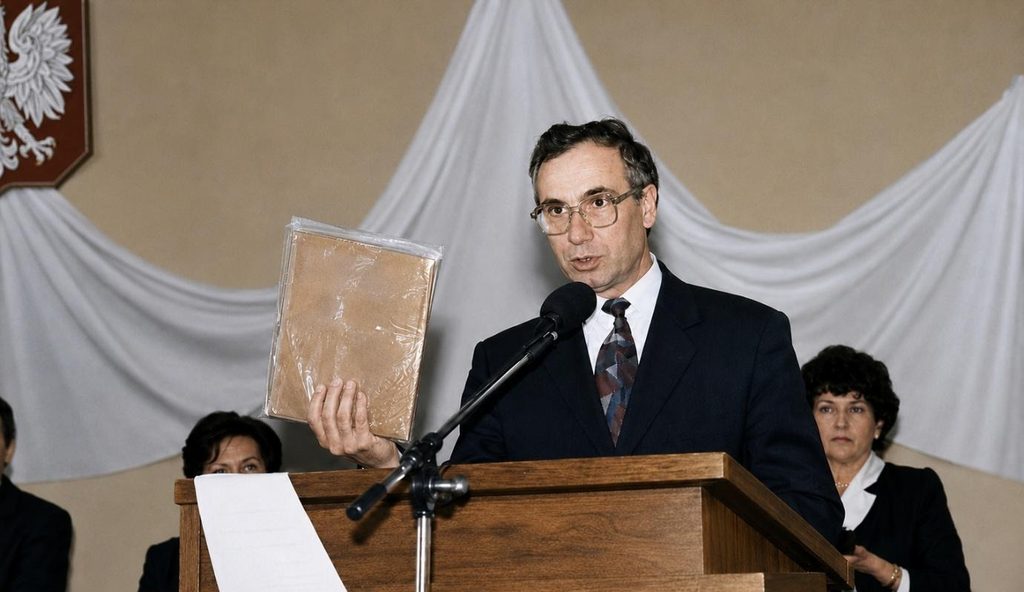
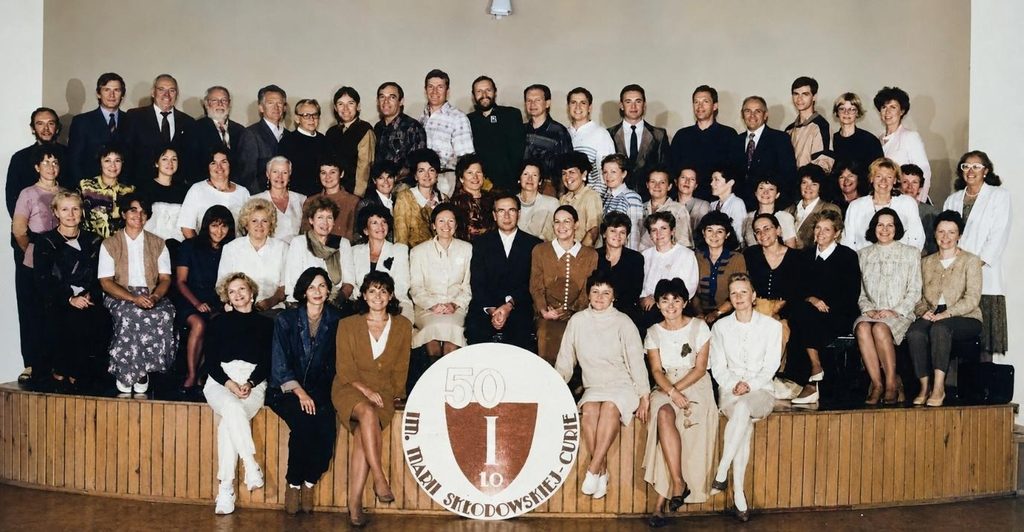
He held his position from 1991 to 2007 and had to grapple with problems hitherto unknown in Polish schools. First came the year 1993—a teachers’ strike resulting from dissatisfaction with low wages—followed by the introduction of a reform consisting of reducing the number of hours for individual subjects without a proportionally reduced core curriculum. In a word: fewer hours—yet the same amount of content to cover in class as before.
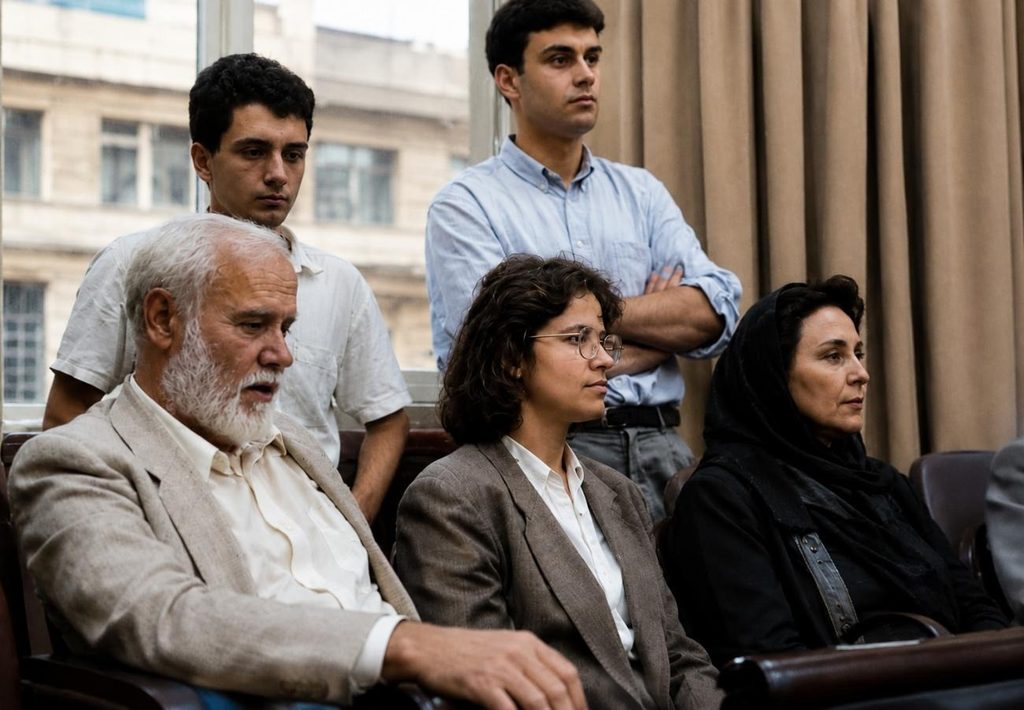
The strike did not bring the desired results. However, teachers acquired additional tasks, for example, they undertook the creation of original syllabi, which had to be reviewed and approved by the teachers’ council before being implemented. Systemic reform was also initiated: six-year primary schools, three-year middle schools (gimnazjum), and three-year high schools were established. The format of the Matura exam is also changing; starting in 2005, school-leaving exams are no longer graded in home institutions by the teachers who taught the graduating students, but by external examiners. The first decade of the 21st century marks an unimaginable civilizational breakthrough associated with the development of digital technology. The multiplicity of multimedia tools has changed the world and the school—now run by Ewa Budziach, a graduate of High School No. 1 in Szczecin.
Another key to attempting to reconstruct the school’s history could be its alumni, who have influenced and continue to influence the worldview of society. However, they should be written about separately.
High School No. 1 named after Maria Skłodowska-Curie was the first secondary school opened in Szczecin right after the war. The incoming population arriving in the city emphasized that “if there is a school, there is life.” It can therefore be said that High School No. 1 is a kind of microcosm within whose walls lies the history of Szczecin from 1903, because that is when a German gymnasium, and after the war a Polish school, was opened in the building at 12 Piastów Avenue.
More:
Mirosława Piaskowska-Majzel, Historia we wspomnieniach – fakty w przypisach. Wyjęte z codzienności, Szczecin: I Liceum Ogólnokształcące im. Marii Skłodowskiej-Curie w Szczecinie 2025
Mirosława Piaskowska-Majzel