


Peenemünde.
Peenemünde is not just one of many charming tourist municipalities on the island of Usedom in the state of Mecklenburg-Western Pomerania. Until the mid-1930s, this small fishing village—known only as the place where Swedish King Gustavus Adolphus (1594–1632) landed to support German Protestants during the Thirty Years’ War (1618–1648)—is marked by an extraordinarily turbulent history.
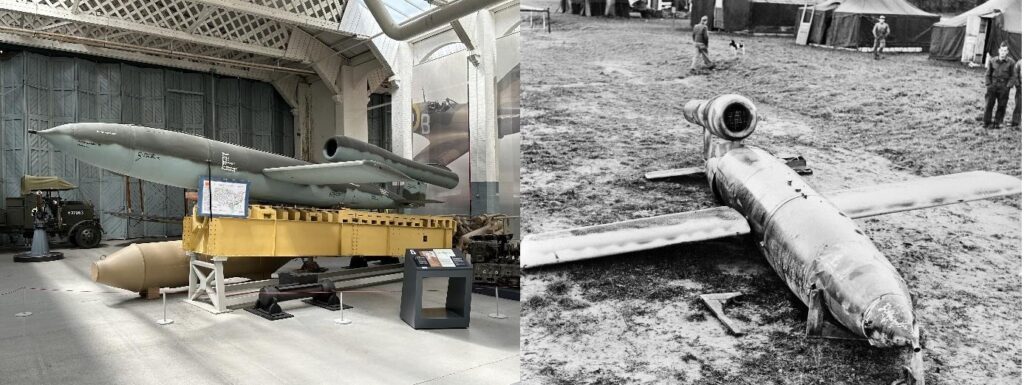
A crashed flying bomb found intact by members of the 9th USAAF in France, 1944 or 1945, source: [https://www.iwm.org.uk/collections/item/object/205196298](https://www.iwm.org.uk/collections/item/object/205196298), FRA 100869, DP
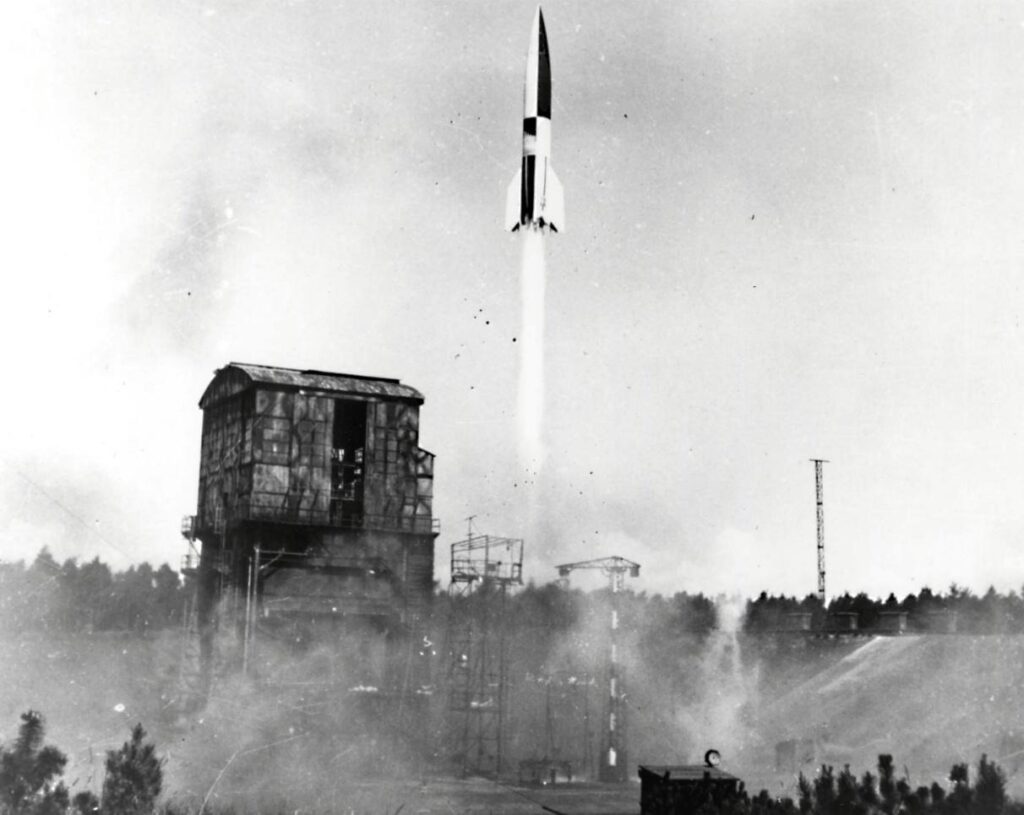
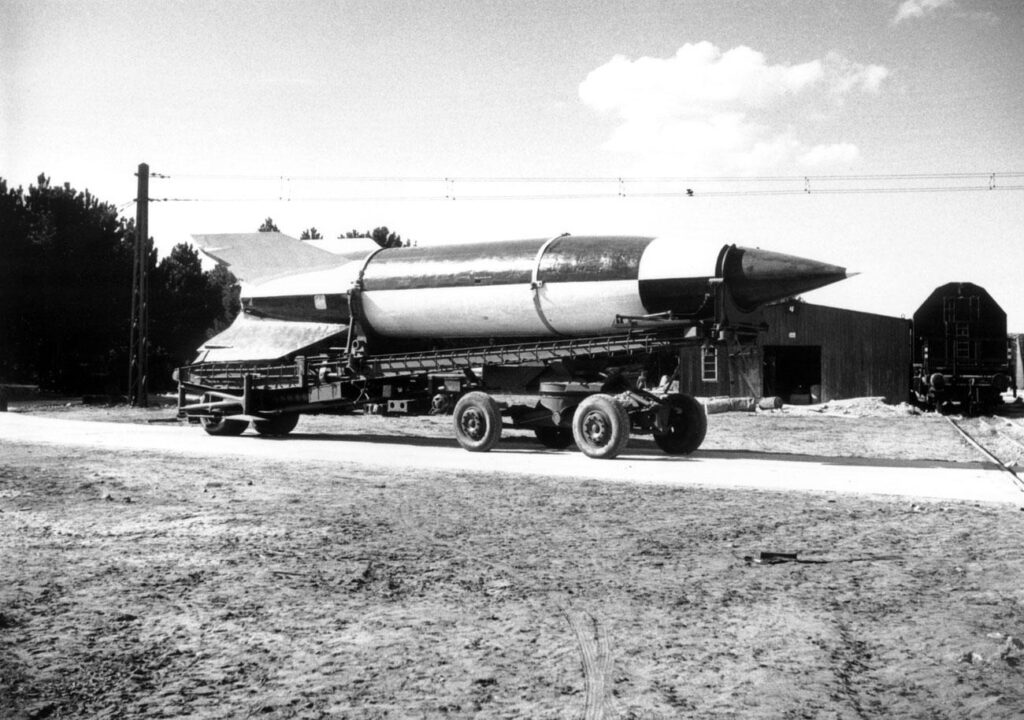
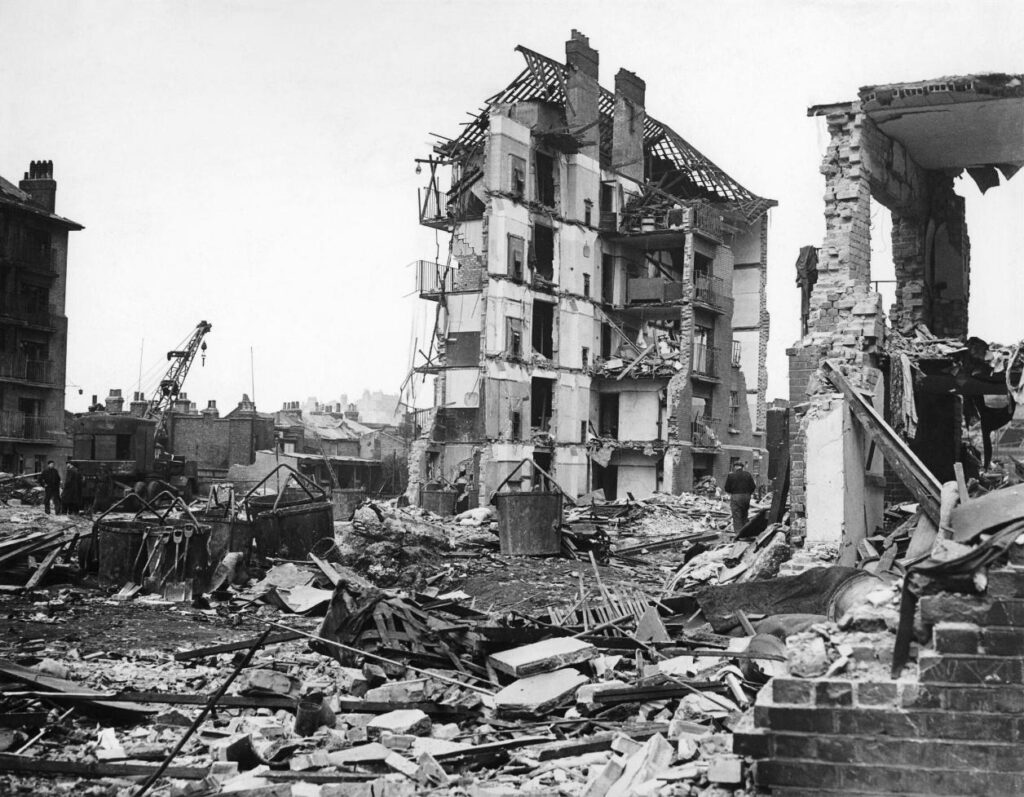
A documentary film on the development of the V2 rocket: https://www.youtube.com/watch?v=WjFTN-YdK_M
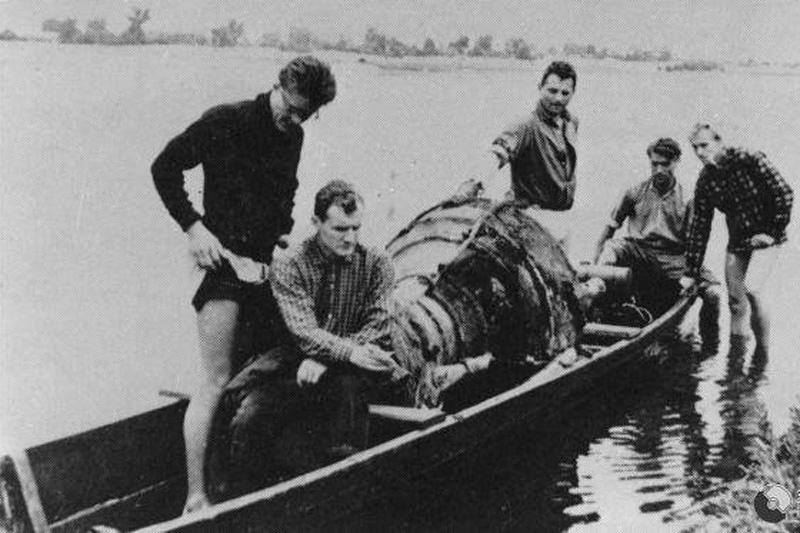
To erect the huge research facilities, diverse installations, production plants, infrastructure elements, and rocket assembly facilities, German construction companies needed a large workforce. After the outbreak of the war, in addition to the labor force from Germany that had already been forced to work there, Peenemünde also employed forced laborers, concentration camp prisoners, and prisoners of war from all over Europe occupied by the Third Reich. For this purpose, several barrack camps for these workers were established in the northern part of Usedom Island. Between June and October 1943, an external labor commando dispatched from the Ravensbrück concentration camp operated at the military research facility in Peenemünde. The assembly of A4 rockets took place in the production hall of the Peenemünde plant, in the cellars of which over 600 prisoners were accommodated. Subsequently, for a similar purpose, appropriate “qualified” specialists were selected from the Buchenwald and Sachsenhausen concentration camps to carry out this work. They were treated much better than the “racially alien” fellow prisoners in other camps of this type located on the island (Poles, French, Italians, Ukrainians, Belarusians, Dutch, Belgians, Czechs). The conditions prevailing there were extremely difficult, virtually fatal. Gnawing hunger, violence, corporal punishment, exhaustion, and a lack of proper medical care were the order of the day, claiming a bloody toll particularly among the foreign workforce.
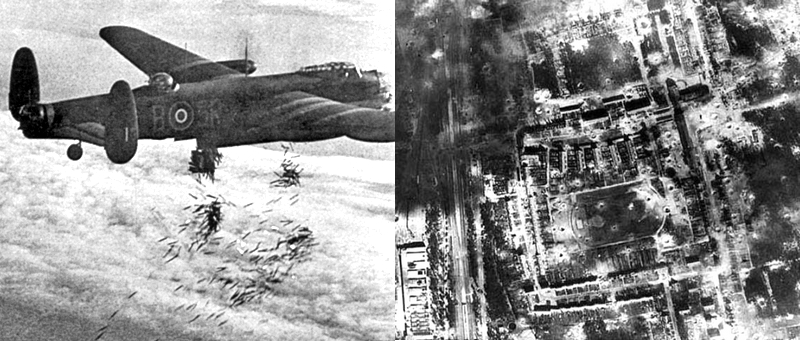
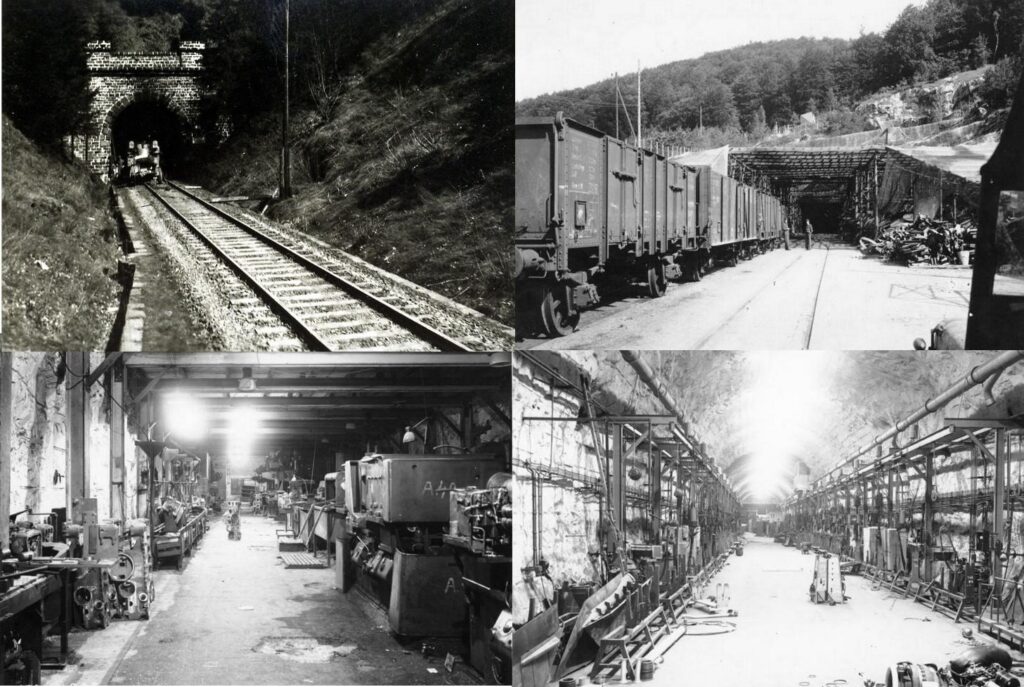
Supervision over the main labor camp subordinate to the Peenemünde center, named Karlshagen II, was exercised by SS guard units, as well as by the civilian personnel of the armament center, who were fully aware of the criminal exploitation of the prisoners. Wernher von Braun himself was no exception in this regard. Furthermore, there was a second forced labor camp, namely Karlshagen I (under the jurisdiction of the Luftwaffe), a prisoner-of-war camp in Karlshagen, and a camp for Soviet officers located in Wolgast. A camp designated exclusively for Polish forced laborers bordered the Karlshagen camp to the south, and a residential housing estate is currently located on this site. It is estimated that at its peak in 1943, a total of approximately 12,000 people worked for the Peenemünde complex, including several thousand forced laborers, several hundred concentration camp prisoners, and several thousand prisoners of war—primarily Soviet ones, who were treated the worst and forced to perform the heaviest labor. The exact number of victims among the various categories of forced laborers is difficult to determine, but likely even thousands of prisoners died there. Following the heavy British raid in August 1943 (as a result of which over 500 people died, including many foreign workers), part of the rocket production was transferred from Peenemünde to the underground Mittelwerk facilities near Nordhausen in central Germany, which were organically linked to the Mittelbau-Dora concentration camp, where conditions were far more draconian and the prisoner mortality rate was even higher (totaling over 20,000 victims). Overall, during the war, at least 40,000 forced laborers were engaged in the production of V2 rockets, of whom 15,000 to 20,000 died due to inhumane working conditions.
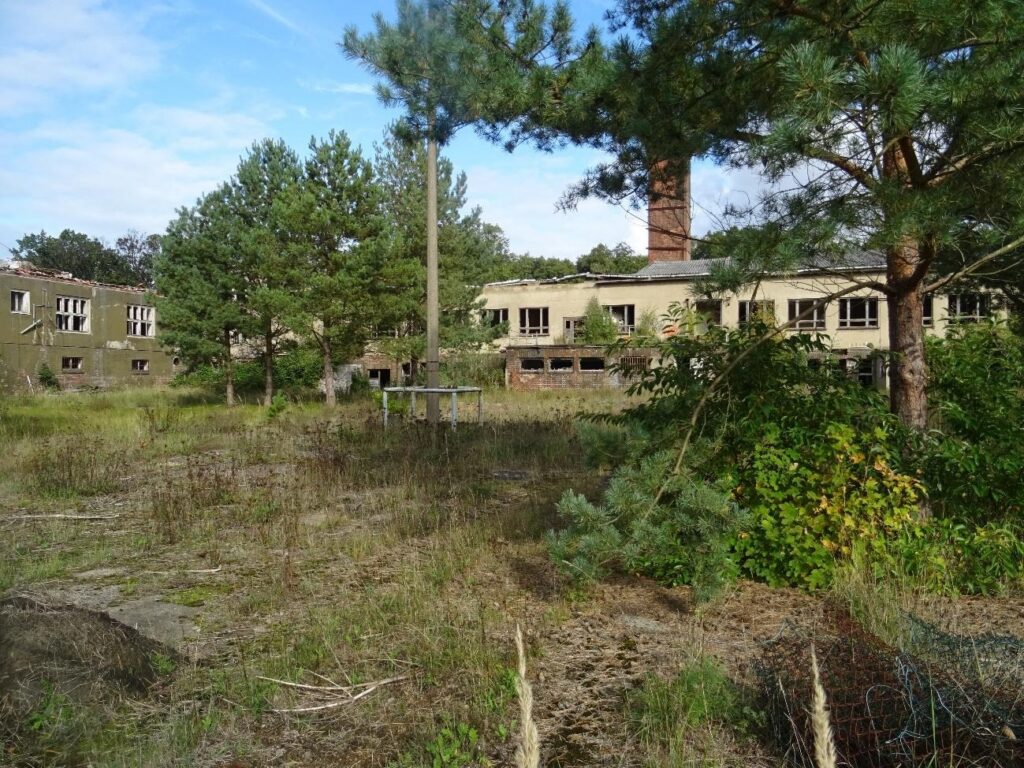
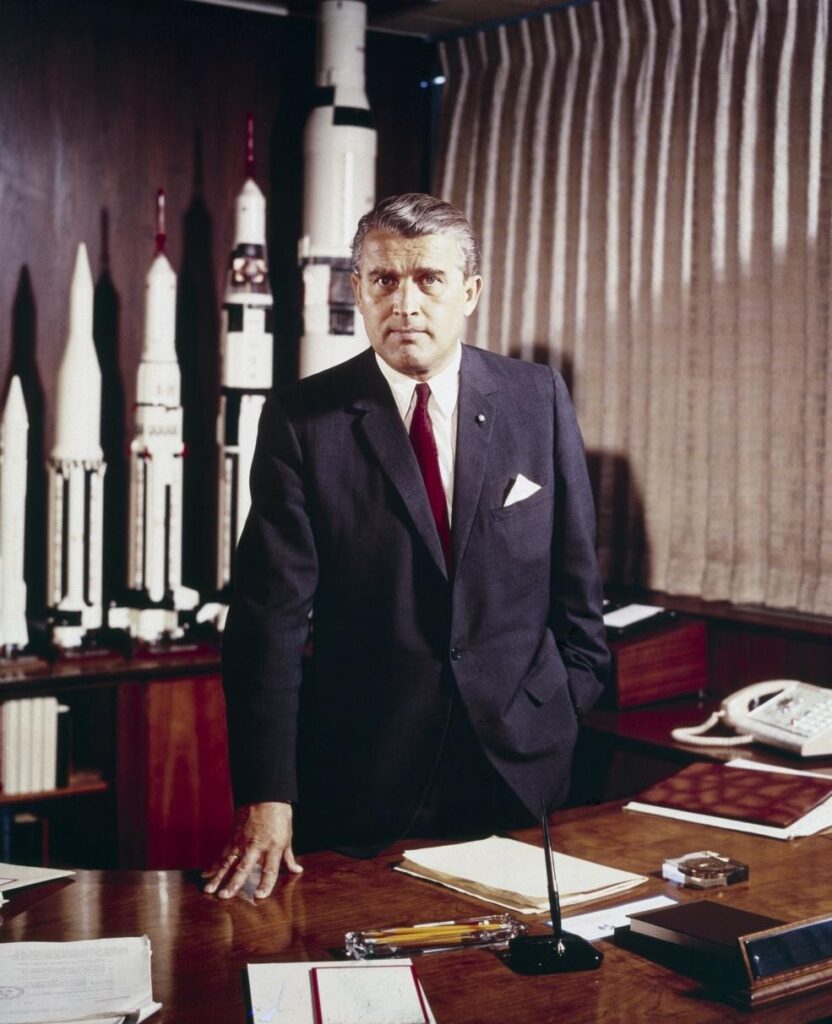
The issues surrounding Peenemünde touch upon both fundamental ethical questions and the Janus-faced nature of the Third Reich’s scientific achievements, which, despite their extremely destructive and utilitarian nature, brought long-term technological progress to humanity. Following the capitulation of Nazi Germany, some of the scientists from this complex, led by Wernher von Braun, found employment in the American space agency NASA. This former SS officer spent subsequent years working on space exploration strategy, significantly contributing to the construction of the American Saturn V rocket, which made the landing of astronauts on the Moon in 1969 possible. In this view, the armament center in Peenemünde and the work conducted there on new types of weapons can be perceived in the context of the phenomenon of “reactionary modernism” (Jeffrey Herf) characteristic of the Nazi regime, because modern technologies were used there to achieve criminal goals regardless of all consequences and human costs.
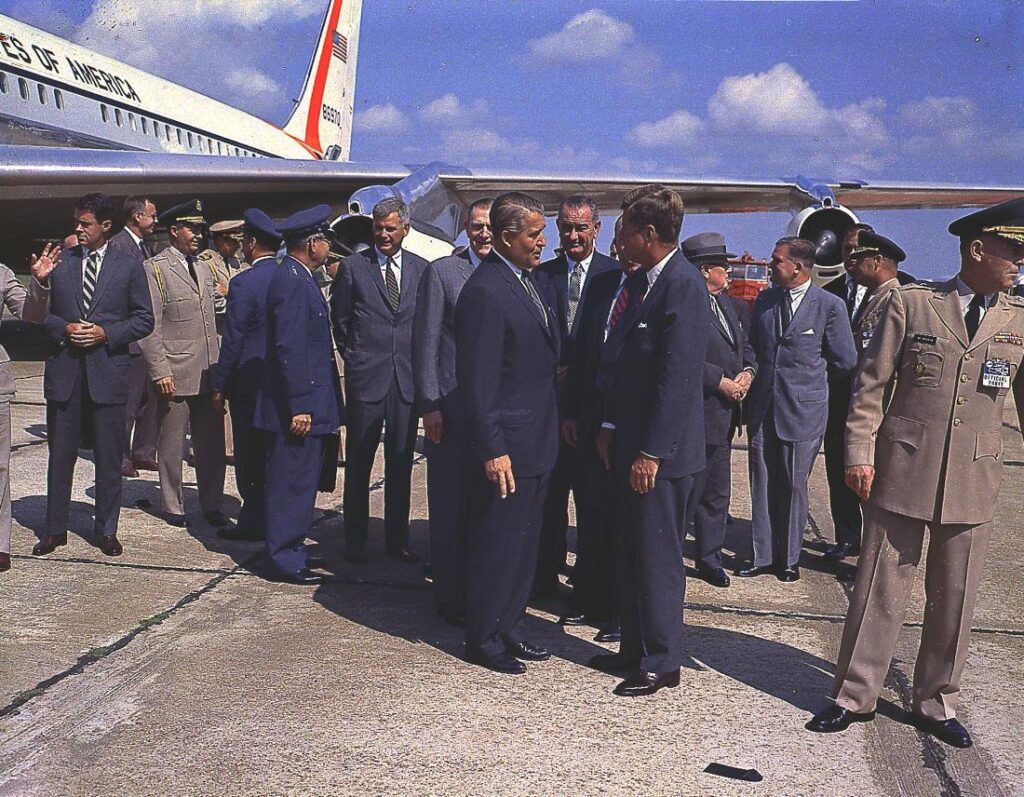
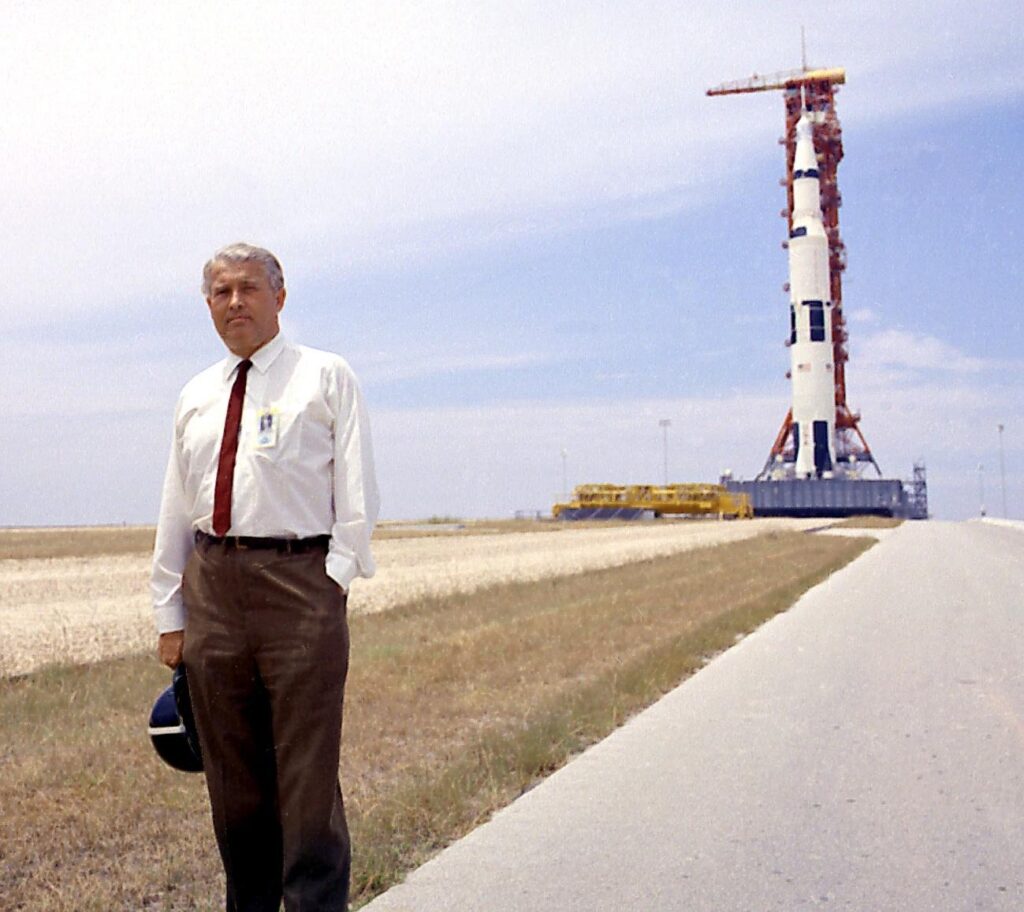
For the post-war decades, historical narratives concerning Peenemünde in East and West Germany differed diametrically. In the Federal Republic of Germany, former engineers from Peenemünde enjoyed considerable freedom for a long time in interpreting their activities during the Third Reich. In the 1950s, the memoirs of the military research center’s director, Gen. Walter Dornberger, were particularly popular. An essential characteristic of such apologetic interpretations was that the scientific community considered itself completely apolitical, and technology itself appeared “innocent.” It was not until the 1980s that increasingly critical historiography in the FRG initiated a significant shift in the culture of remembrance and in the publicly disseminated images of former Nazi technical elites, including Wernher von Braun himself. Interestingly, as late as 1972, von Braun—who by that time was already viewed as a symbol of the German rocket program—rejected a proposal to organize a grand celebration in the FRG for the 30th anniversary of the successful launch of the V2 rocket, anticipating a negative tone in press reports.
Meanwhile, in the German Democratic Republic, critical voices predominated in technical and scientific propaganda, especially since the first Sputnik flight in 1957. Against this background, a clear distinction was made between the Soviet space program and “fascist” rocket technology. Extensive works concerning the research centers in Peenemünde and Wernher von Braun portrayed this place as a striking example of imperialist fascism, whose direct continuation was represented by post-war Western (NATO) rocket programs.
The beginning of more in-depth discussions regarding the historical significance of the Peenemünde facility was marked in 1992 by a controversial initiative—organized under the auspices of the German aerospace industry and the Federal Government—to celebrate the 50th anniversary of the first V2 flight (October 3, 1942) as a festival celebrating the birth of astronautics, accompanied by a popularizing exhibition. These celebrations were canceled at the last minute due to international protests, including those from Poland. There were even concerns that the planned festivities might signal a new revisionist trend in the FRG. As a result of such massive foreign and domestic criticism of this initiative, the state government of Mecklenburg-Western Pomerania commissioned a scholarly analysis of the history of the former experimental center in Peenemünde, which served as a prelude to the establishment of the aforementioned museum.
The former rocket center in Peenemünde is a place whose history still evokes immense interest, controversy, and lively discussion among both Germans and Poles. This topic also occasionally appears in the context of building a shared culture of memory for future generations on both sides of the Oder River. An example in this regard is the international conference organized in October 2012: “Peenemünde from the Perspective of the Victims. The Responsibility of Science and Society. New Impulses for the Culture of Memory Regarding the Nazi Criminal War Industry,” which was held under the patronage of the Friedrich Ebert Foundation, in cooperation with the Polish-German Culture Forum on the Usedom/Wolin Island and the Historical-Technical Museum in Peenemünde. Present at the event were many guests and scholars from Poland, including Włodzimierz Stępiński from the University of Szczecin, Remigiusz Rzepczak, Przemysław Sypniewski, and Ryszard Banaszkiewicz (currently the director of the A. Kaube Regional Museum in Wolin). Participants of the meeting emphasized that issues related to memorial sites should be embedded in the context of the region’s history and that open discussion on forced labor in Peenemünde must constitute a part of Polish-German cooperation in this field.
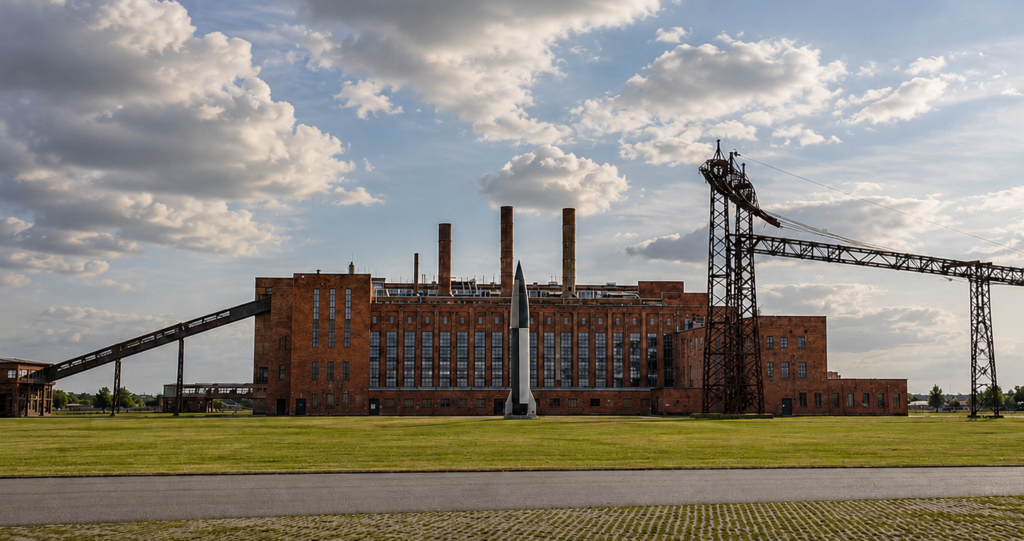
(CC-BY-SA 4.0)
Peenemünde stands as a universal warning of history and a call to always remember the consequences of the criminal rule of National Socialism and the moral compromises of cooperating with a totalitarian system. Today, it is a European memorial site where the victims of the Third Reich from various countries are remembered. At the same time, it shows that national perspectives still play a decisive role in cultivating collective memory. Therefore, in the Polish-German border region, it is necessary to practice with even greater intensity a “dialogue-based culture of memory” that fully takes into account the arguments and sensitivities of both sides and does not shy away from the difficult topics of broadly understood historical reparation.
More:
Raketen und Zwangsarbeit in Peenemünde: die Verantwortung der Erinnerung, red. Günther Jikeli, Schwerin: Friedrich-Ebert-Stiftung. Landesbüro Mecklenburg-Vorpommern 2014.
Heinz Dieter Hölsken, Die V-Waffen. Entstehung–Propaganda–Kriegseinsatz, Deutsche Verlags-Anstalt: Stuttgart 1984.
Benjamin King, Timothy Kutta, Impact: The History of Germany’s V-Weapons in World War II, Rockville Centre: New York 1998.
Philipp Aumann, Daniel Brandau, Christian Kehrt, Constanze Seifert, Projektbericht. Forschung im Museum Peenemünde als Erinnerungsort und Technikmythos, https://www.academia.edu/35398956/Forschung_im_Museum_Peenem%C3%BCnde_als_Erinnerungsort_und_Technikmythos
Günther Jikeli, Peenemünde aus Opferperspektive. Verantwortung von Wissenschaft und Gesellschaft. Neue Impulse für eine Erinnerungskultur an die verbrecherische Kriegsindustrie der Nationalsozialisten, https://www.hsozkult.de/conferencereport/id/fdkn-123173
Wojciech Wichert