


Multinational Pomerania
Demographic and cultural transformations that took place in West Pomerania after 1945 constitute one of the most dramatic and complex chapters of Poland’s post-war history. Immediately after the war, the region became a melting pot where the remaining German population encountered Polish settlers. Alongside Poles, representatives of various national and ethnic minorities also arrived or were forcibly resettled here. In the following years, it was primarily state policy that determined their fate.
Germany
During the final period of World War II, mass migrations of Germans from these areas began. In the initial phase, lasting from 1944, these were mainly chaotic flights and planned evacuations of the German population, devised by the German command along with the retreat of Wehrmacht units to the West. Military operations, air raids, and bombings resulted in successive waves of flight. After the entry of the Red Army, the movement became chaotic and took place in both directions. Some Germans fled across the Oder River to escape repression, murder, rape, and looting. At the same time, after the end of hostilities, a large number of refugees returned to their homes, hoping that these areas would remain German. In the spring of 1945, approximately 840,000 Germans still remained in the region. Their presence challenged the decisions to grant these territories to Poland. As early as May 1945, the communist authorities announced the expulsion of the existing inhabitants and initiated (without the consent of international bodies) a military settlement campaign, preventing the return of Germans who were coming back from across the Oder. The so-called “wild expulsions” were carried out by the 2nd Army of the Polish Army. By the end of the year, approximately 290,000 people had been expelled in this manner. Simultaneously, in August 1945, during the Potsdam Conference, representatives of the victorious powers decided to expel Germans from the territories located within Poland’s new borders. Planned resettlements began in February 1946, following the signing of agreements with the authorities of the occupation zones in Germany, and lasted for two years, covering a further 470,000 Germans from the West Pomerania region. In August 1945, in Szczecin itself, just before the expulsions, nearly 84,000 Germans and only 17,000 Poles resided. A year later, the city already had 109,000 inhabitants, the majority of whom were Poles. At the end of 1948, about 36,000 Germans still remained in the West Pomerania area (mainly in the eastern districts of the voivodeship), most of whom worked in agriculture, in State Land Properties, and on estates subordinated to the Red Army. Several thousand Germans also worked in the so-called Police Enclave and in the port of Szczecin. In 1949, in the western part of the region, the largest number of Germans still lived in Szczecin (approx. 2.7 thousand), as well as in the Wolin (1.7 thousand) and Łobez (1.6 thousand) districts. In the eastern part, they lived in the Słupsk (6.5 thousand), Sławno (4.7 thousand), and Koszalin (3.7 thousand) districts. Autochthons—former citizens of the Third Reich who declared Polish origin—numbered around 14,000 people. Until the 1950s, the situation of the Germans was difficult. They were considered second-class citizens. As a community branded with the stigma of being former citizens of the Third Reich, they were outlawed and performed compulsory labor on landed estates and in industry. After 1950, with the gradual normalization of Polish-German relations (the Treaty of Zgorzelec and the post-October thaw), the situation began to slowly change. In the districts of the Koszalin Voivodeship, German children were included in compulsory schooling, the use of several Protestant parishes was restored, and representatives of the German minority appeared in the national councils and trade unions of the Szczecin and Koszalin Voivodeships. Between 1948 and 1952, a German anti-fascist organization existed in Szczecin—the Democratic Bloc “Antifa”—which brought together Germans employed in branches of industry subordinated to the Red Army. From 1950 to 1964, a primary school with German as the language of instruction operated in the city. In 1953, the Trade Union Culture House of Polish-German Friendship was also opened in Szczecin. In 1960, its name was changed to the Culture House of National Minorities; in addition to Germans, it was also a meeting place for Ukrainians, Greeks, and Macedonians. This institution operated until 1964. Subsequent years did not favor the possibility of the German population organizing themselves, as according to official propaganda, there were no longer any Germans in West Pomerania. As part of the so-called family reunification campaign, over 23,000 people of German nationality left the Koszalin Voivodeship by 1958 (just over a thousand remained). A year later, the presence of only 785 Germans and 190 autochthons was recorded in the Szczecin Voivodeship. In the following decades, according to approximate government estimates, 743 Germans lived in the Szczecin Voivodeship in 1960 and 320 in 1972. In the Koszalin Voivodeship, the numbers were 1,402 (1960) and 1,371 (1972) respectively. They were dispersed and did not show a strong need to associate into separate organizations. The situation changed at the end of the 1980s, along with the political breakthrough in Poland. In 1990, the Social-Cultural Society of the German Minority (TSKMN) was established in Szczecin. For a certain period, the German Cultural Society “Heimatbund” and the German choir “Sedina” also operated here, and notable social-cultural activists included Rajmund Schulz, Siegbert Czeluszki, Alfons Bobek, Robert Sitarski, and Gerhard Krause. A branch of TSKMN was also established in Koszalin (chaired by Peter Jeske), and the Association of the German Minority was formed in Świdwin (chaired by Lilia Przepiórka). According to the 2011 National Census of Population and Housing, 3,165 people declared German nationality in the West Pomeranian Voivodeship.
Jews
Post-war Jewish settlers mostly arrived in West Pomerania as so-called repatriates from the territories of the USSR. Small groups appeared in Kołobrzeg, Nowogard, and Koszalin, but the Jewish settlement plan primarily targeted Szczecin. The first groups arrived in the city in April 1946. Prior to that, the presence of Jews was roughly estimated at around 500–700 individuals who had survived the war in the city under assumed names or appeared within its borders immediately after its conclusion. As subsequent trains arrived from the east, the statistics of the Jewish population fluctuated constantly, with differences between individual months counting in the thousands. The climax was undoubtedly June 1946, when the presence of 30,951 Jews was recorded in Szczecin (accounting for 42% of the total population). Migrations and—primarily—emigration to the West caused the Jewish population to decrease, stabilizing only in the second half of 1947 at a level of 6,000–7,000 people. The factors that determined the choice of West Pomerania as a suitable location for the settlement of Jewish “repatriates” were, above all, the region’s high capacity for settlement and available housing resources. Security considerations undoubtedly also proved significant. Cases of widespread anti-Semitic violence were already known in Poland at that time, occurring, among other things, against the backdrop of disputes over property left behind by Jews during the war. It was therefore assessed that the level of security would be higher in this “neutral” territory. This same argument prevailed in the discussion over the plan to settle Jews in Szczecin. The concept of the local authorities envisioned dispersing the Jewish population across various areas of the city to avoid creating dense clusters reminiscent of pre-war quarters. However, this met with protests from the Jewish repatriates, who justified the need for closer settlement on security grounds. In May 1946, station areas located along the railway lines were designated for settlement, namely Niebuszewo, Żelechowa, Golęcino, Gumieńce, and a part of Stołczyn. In a short time, Niebuszewo became the most heavily populated district by Jews. As early as May 1946, institutions began to appear in this neighborhood, turning it into the center of Jewish socio-political life. Located at 2 Słowackiego Street was the Voivodeship Committee of Polish Jews (WKŻP), whose task was the organization of the socio-cultural sphere, legal and social care, as well as the coordination of educational activities among the local Jewish population. The Committee also actively engaged in the politics of the era. The chairman of the committee, Leon Borensztajn, simultaneously served as the leader of the Jewish Fraction at the PPR (Polish Workers’ Party) in Szczecin.
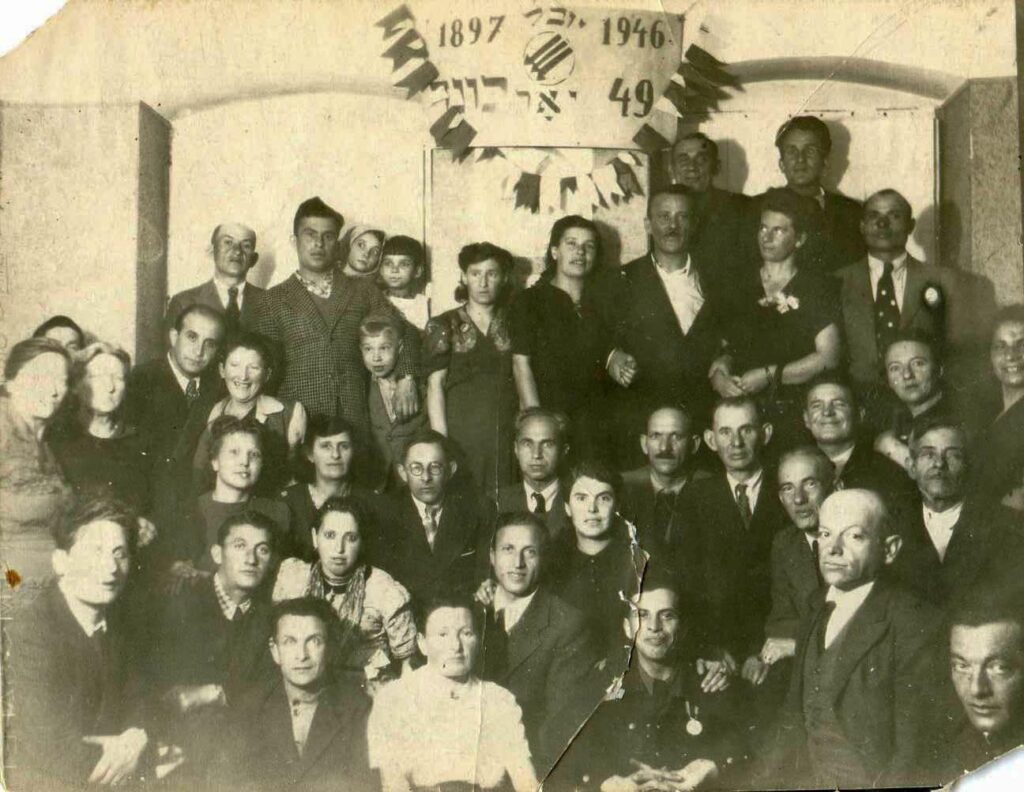
Celebrations of the 49th anniversary of the founding of the Bund party in Szczecin, 1946. Source: Archive of the Social-Cultural Society of Jews in Szczecin
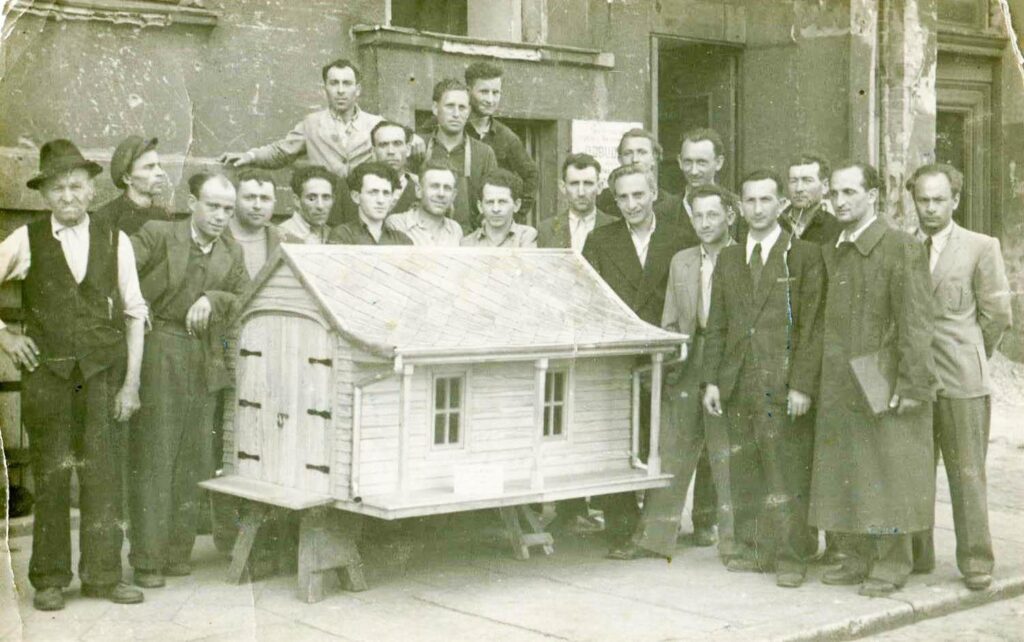
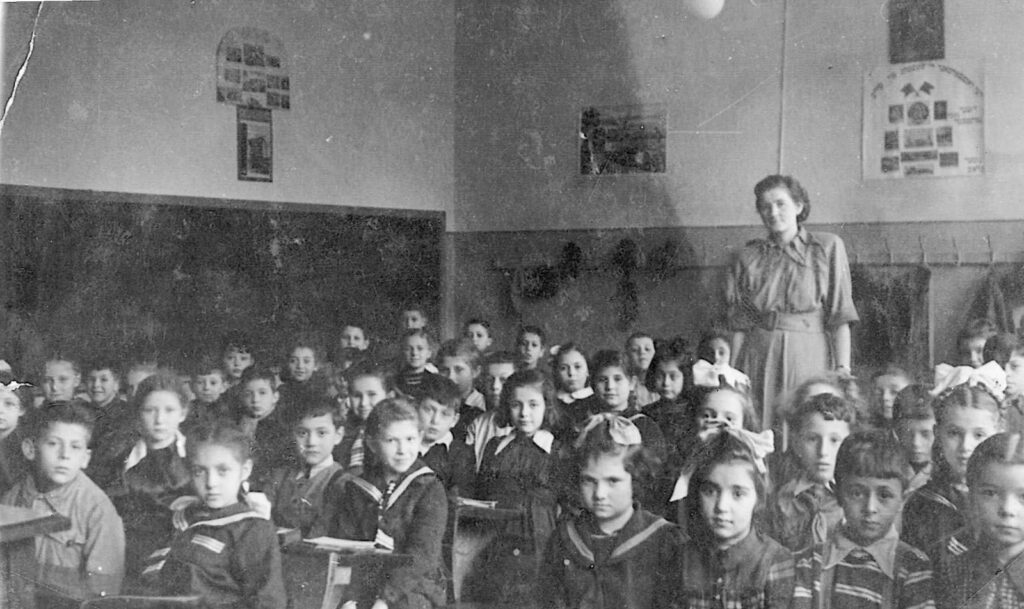
In Niebuszewo, a House of Prayer was also opened, alongside the headquarters of the Jewish Congregation of the Mosaic Faith, offices of various Jewish political parties, the Jewish Sports Club, bakeries, nurseries, kindergartens, and the Izaak Perec Primary School. Apart from political life, Jewish economic activity was also developing very intensively, mainly due to production cooperatives, the idea of which corresponded with the then-promoted slogan of the productivization of the Jewish population. The aim of this campaign was to train Jewish youth in various crafts and to open them up to new, agricultural, and industrial occupations. By the end of 1946, 23 Jewish cooperatives were already operating in Szczecin, accounting for 80% of all such establishments in the city. Jewish workers’ collectives also existed outside of Szczecin. In Trzebież, the “Rybak Szczeciński” fishing cooperative operated during this period, and in Kanie near Stargard Szczeciński, there was a Jewish land-parcellation and settlement cooperative.
Unfortunately, the perspective of a haven free from anti-Semitism and prejudice, which the authorities associated with the Western Territories, proved to be illusory. Although there were no property-related tensions here, incidents of violence against Jews—such as beatings, insults, and street brawls—were already recorded with the influx of Jewish repatriates. When the number of Jewish arrivals rose sharply in May 1946, the atmosphere began to grow tense. All of this meant that concurrently with the settlement of the designated districts, the further emigration of a part of the arriving population continued, for whom Szczecin proved to be merely a stopover on the way to the West, and from there, among others, to Palestine. This movement intensified particularly after the Kielce pogrom (July 1946). Jews left both legally and illegally through Bricha, an organization helping Jews escape to the West, whose underground structures existed in Szczecin until 1947. The year 1950 can be symbolically treated as the closing of a certain stage and, consequently, the beginning of the vanishing of Jewish Szczecin. This was influenced not only by the progressive emigration of the Jewish population, but above all by changes in the international policy of the USSR and a new course towards the State of Israel, which caused the countries of the communist bloc to openly condemn Zionism. In practice, this meant the delegalization of Jewish organizations. After the creation of Israel, more and more people decided to emigrate. Leaving the country was officially permitted in a communique from the Ministry of Public Administration in November 1949. In Szczecin, over 2,000 people registered to leave at that time, mainly cooperative workers as well as the so-called private initiative, civil servants, and the intelligentsia. Consequently, Jewish institutions, shops, stalls, bakeries, and barber shops slowly began to disappear from the map of Szczecin.
During the second wave of departures, from 1955 to January 1956, 1,438 emigration applications were submitted in the Szczecin Voivodeship, while the emigration peak occurred between August 1956 and October 1957, when 1,764 people applied to leave. In the following years, Jewish life was centered mainly around two institutions: the Religious Union of the Mosaic Faith and the local branch of the Social-Cultural Society of Jews (TSKŻ). In 1963, on the wave of big-beat music, a local cultural phenomenon emerged in the city—the band “Następcy Tronów” (Heirs to the Throne), formed by musicians of Jewish origin. In 1968, on the wave of the so-called March events, an anti-Semitic campaign broke out in Poland, as a result of which over 13,000 Jews left their homeland, forced into emigration. Between the beginning of 1968 and August 1969, 699 people submitted applications to leave in the Szczecin Voivodeship. In the entire Szczecin Voivodeship, only 1,500 people of the Mosaic faith remained. In Szczecin itself, Jewish schools and organizations ceased to operate. The TSKŻ did not resume its activities until 1971. After 1989, socio-cultural activities in the field of the Jewish minority in Szczecin were continued by three institutions: the Social-Cultural Society of Jews under the leadership of Róża Król, the Association of Jewish Veterans and Victims of World War II, and the Jewish Religious Community led by Mikołaj Rozen. In 2002, the TSKŻ had 74 members. According to the 2011 National Census of Population and Housing, 302 Jews resided in the West Pomeranian Voivodeship.
Ukrainians and Lemkos
In 1947, 49,000 Ukrainians, forcibly resettled as part of Operation “Vistula”, found themselves in the West Pomerania region. The plan for the operation to resettle the Ukrainian population from the Rzeszów Voivodeship to the northern and western territories of Poland emerged in March 1946 within the offices of the military command. Through this, it was intended to definitively break the Ukrainian guerrilla movement (the UPA) and at the same time resolve the Ukrainian issue by polonizing (assimilating) the resettled population in their new places of settlement. The expulsions began on the morning of April 28, 1947, and lasted until mid-August. Military units surrounded subsequent villages and ordered them to be evacuated, allowing the inhabitants to take only a small amount of belongings with them. Concurrently, the liquidation of the Ukrainian guerrilla movement began. The resettlements affected not only individuals actually cooperating with the UPA, but also entire families who had no connection to the underground movement, or who even supported the regime of the time.
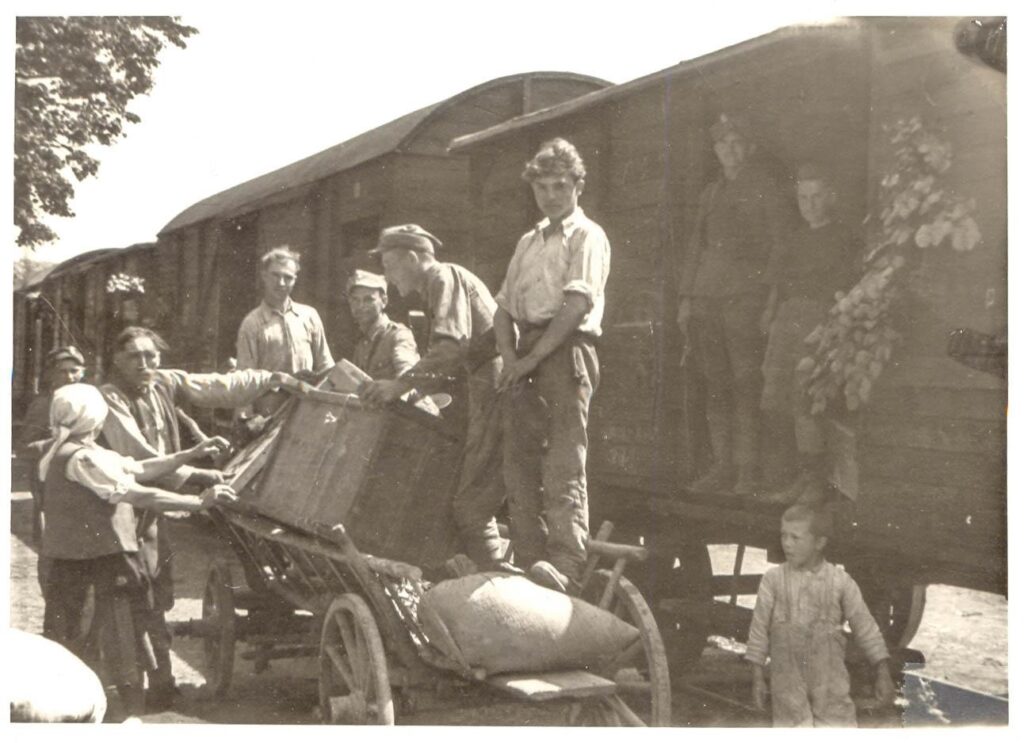
The repressions also encompassed, among others, the Lemko region, where the UPA never enjoyed real support. The deportation lists included mixed families, demobilized soldiers of the LWP (Polish People’s Army), members of the PPR, and hundreds of individuals who did not possess a defined Ukrainian national identity. The resettled people left behind the achievements of many generations, sown fields, and the graves of their loved ones. Villages were destroyed, Eastern Orthodox and Greek Catholic churches (cerkwie) were emptied, and the unique local cultural heritage of ethnic groups such as the Dolinians, Lemkos, and Boykos was irretrievably lost. A total of 33,154 families (140,662 individuals) were displaced from the Kraków, Lublin, and Rzeszów Voivodeships, with nearly 49,000 of them ending up in West Pomerania. The objective of Operation “Vistula” was the maximum dispersion of the Ukrainian population. The guidelines mandated that the new settlement clusters be situated at least 50 km away from state borders and 30 km away from maritime borders (initially excluding 8 border districts). Care was also taken not to exceed a 10 percent threshold for the Ukrainian population in any given community (gromada).
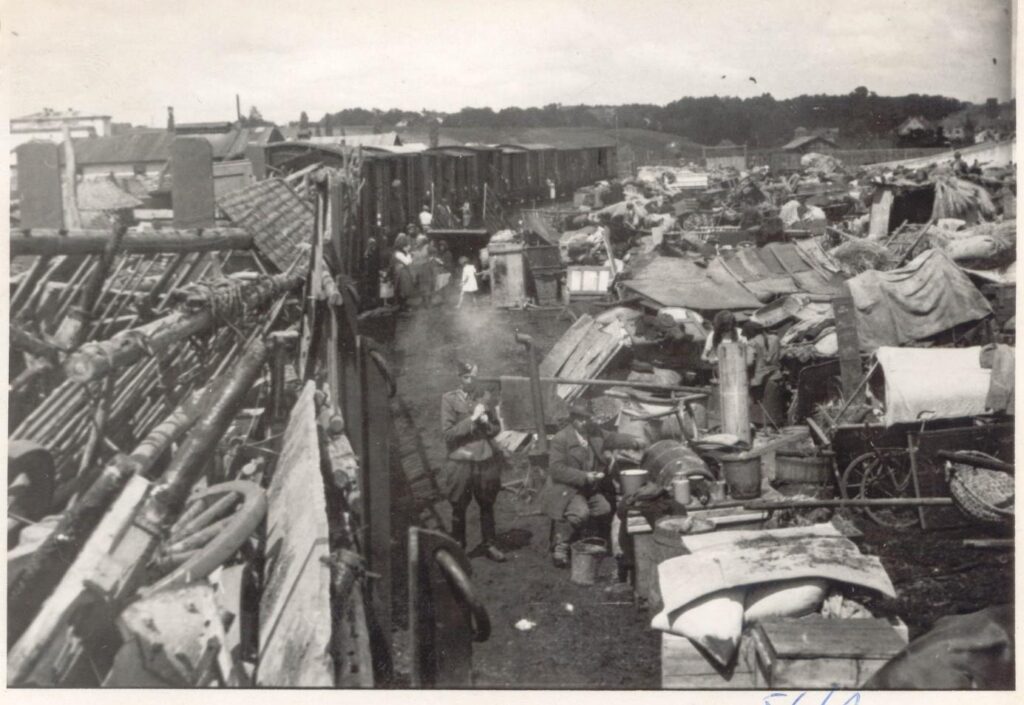
In practice, the settlement campaign in West Pomerania posed many organizational problems: during the unloading of transports, chaos and disorder prevailed. Transports with the Ukrainian population were directed to distribution points, from where they were sent in smaller groups to their final destinations. Families who owned livestock were directed to individual farms, while the rest (about 3.5 thousand people) were sent to the State Land Properties (PNZ). After two years of Polish presence in the so-called Recovered Territories, the availability of farms suitable for settlement had decreased; those that remained at the disposal of the resettled population were often devastated.
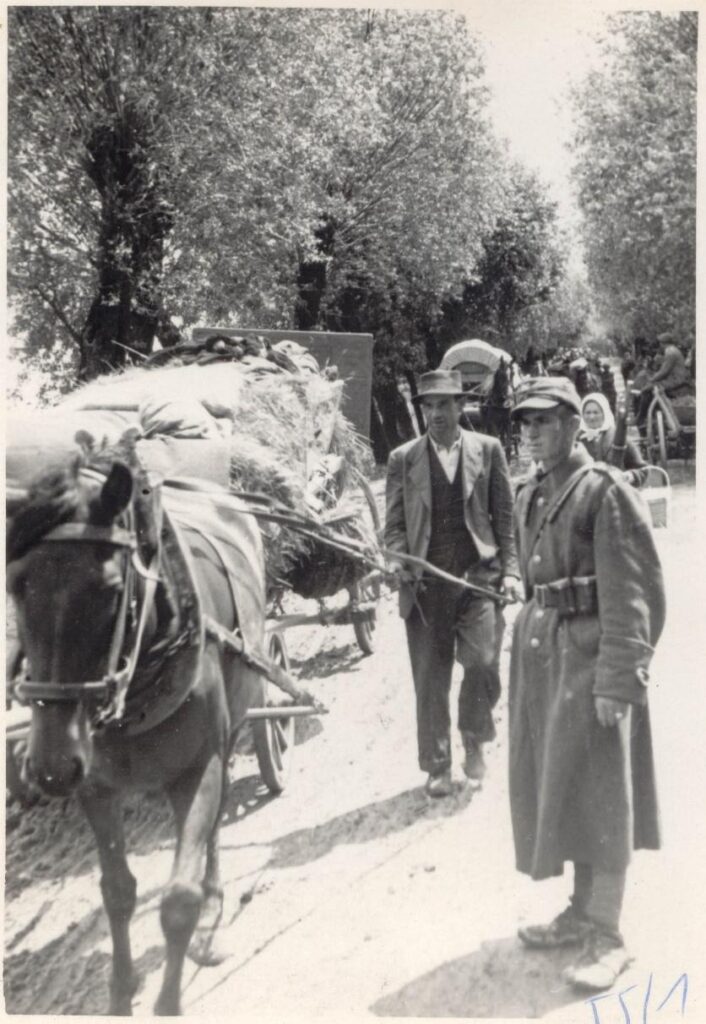
In the following years, the guidelines regarding the distribution of the population were gradually abandoned. As a result of the new administrative division in 1950, the largest concentrations of the Ukrainian population (totaling approximately 28,000 people) found themselves within the borders of the Koszalin Voivodeship. A significantly smaller community (about 10,000) inhabited the area of the downsized Szczecin Voivodeship. A number of border districts, such as Kamień, Gryfice, Szczecin, and Wolin, never possessed large, dense groups of Ukrainian population. The first year in the new place of residence was particularly harsh. The resettled people had not brought their crops with them, and hunger was prevalent. The psychological aspect of the repressive resettlements was also significant. The influx of the Ukrainian population triggered feelings of fear and dissatisfaction among their Polish neighbors. It was hardest to overcome the animosity of Polish settlers coming from areas affected by the UPA’s ethnic cleansing during the war—namely Volhynia and Eastern Galicia. Ukrainians wrote numerous complaints to local administrative bodies about the ostracism, hostility, and even open manifestations of violence, rejection, and stigmatization they faced. The scale of anti-Ukrainian propaganda that swept through the country led to assumptions that many UPA members, ready to continue their activities in the new territory, might be hiding among the settlers. Between 1947 and 1955, judges of the Military District Court in Szczecin convicted 88 people in cases involving cooperation with the UPA. Four individuals received the death penalty. Unfortunately, the odium of collective responsibility fell upon the entire Ukrainian community, regardless of individual families’ actual support for or participation in the Ukrainian underground. Until the beginning of the 1950s, the authorities emphasized the assimilation or even denationalization of the Ukrainian population—this was manifested, among other things, in the terminology used. In administrative documents, the word “Ukrainian” was replaced with the term “resettled person from Operation W”.
Oto profesjonalne tłumaczenie kolejnego, dłuższego fragmentu tekstu na język angielski. Jako tekst o charakterze historycznym i akademickim (powyżej dwóch zdań), został on przetłumaczony w sposób ciągły, z zachowaniem formalnego tonu publikacji naukowej. The stigma was felt most acutely by Ukrainian children, who were mocked in schools for their accent or lack of knowledge of the Polish language. This awareness of an inferior origin, burdened with allegations of monstrous crimes, was deeply embedded in the entire community, biological distrust and fostering a process of closing itself within the boundaries of its own nationality. The simplest solution proved to be concealing one’s origin. In 1955, during a survey in the Szczecin Voivodeship, only 100 people out of more than 10,000 resettled individuals declared Ukrainian nationality. Concurrently, a strong intra-group integration took place, which manifested itself, among other things, in contracting so-called endogamous marriages. Another means of integration was celebrating holidays and family occasions, illegally celebrating masses in the Greek Catholic rite, as well as mutual assistance in various types of work. Many resettled people were unable to acclimate to the new conditions. Devastated farms, a lack of agricultural tools, a different type of arable land, a different climate, the hostility of neighbors, the trauma of resettlement, and soon also the destructive policy of rural collectivization, along with rumors of planned resettlements of Ukrainians to the USSR, influenced the resettled people’s reluctance toward their new regions. Although returning to the south was officially forbidden, there were cases of submitting petitions to the voivode requesting the possibility of return, or the unauthorized abandonment of farms and departures to home localities. In 1957, as many as 70 percent of the resettled people in the Szczecinek district declared a desire to return to their native regions. In order to defuse these sentiments, in April 1957, the Secretariat of the Central Committee of the Polish United Workers’ Party (KC PZPR) passed a resolution to provide economic aid and permitted limited migration to the former territories, on the condition that the abandoned buildings had not been settled yet. It is estimated that between 1956 and 1964, 600 Ukrainian farmers along with their families left the Koszalin Voivodeship alone. At the beginning of the 1950s, the authorities decided to make certain concessions for the resettled population. In 1952, the Political Bureau of the Central Committee of the Polish United Workers’ Party passed a secret resolution on improving the situation of the Ukrainian population. The ownership status of agricultural farms was regulated, forgivable loans were granted, and education in the Ukrainian language as well as the participation of Ukrainians in the work of national councils was enabled. Subsequent changes in the life of the Ukrainian community occurred with the Gomułka thaw. In June 1956, the Ukrainian Social-Cultural Society (UTSK) was established. In 1957, Greek Catholic parish priests were appointed, operating under the tutelage of the Roman Catholic Church. As early as the late 1940s, the activities of the Polish Autocephalous Orthodox Church were also permitted. From 1956, primary and secondary schools as well as educational centers with Ukrainian as the language of instruction operated. In 1957, Ukrainian philology was opened at the Teacher Training College in Szczecin. Choirs and musical ensembles were formed. The changes in the authorities’ policy toward the Ukrainian minority created an illusion of its free development. In reality, until 1989, emphasis continued to be placed on various forms of assimilation. A margin of freedom was reserved for Ukrainian folklore. The political transformations resulted in the creation of the Association of Ukrainians—a new organization bringing together the Ukrainian minority. In West Pomerania, branches of the Association operate in Szczecin (chaired by Jan Syrnyk) with local circles in Ińsk, Stargard, Trzebiatów, and Szczecin, and in Koszalin (Roman Biłas) with circles in Kołobrzeg, Szczecinek, Biały Bór, Wałcz, Świdwin, Przećmin, Charzyno, and Bielica. According to the 2011 National Census of Population and Housing, 4,482 Ukrainians and 247 Lemkos resided in the West Pomeranian Voivodeship. In recent years, statistics show upward trends due to the influx of economic immigrants from Ukraine who apply for Polish citizenship, as well as the phenomenon of mixed marriages with refugees from Ukraine who arrived in the West Pomeranian Voivodeship after Russia’s full-scale aggression against Ukraine in 2022 (approximately 80,000 people). Every year, the Ukrainian Culture Days are held at the Pomeranian Dukes’ Castle in Szczecin, aiming to present the culture and achievements of the Ukrainian minority in Poland.
Greeks and Macedonians
Oto profesjonalne tłumaczenie kolejnego fragmentu na język angielski. Tekst utrzymuje oficjalny i akademicki ton, idealny do publikacji historycznych czy dokumentacji archiwalnej. At the turn of the 1940s and 1950s, 1,400 refugees from war-torn Greece found themselves in West Pomerania: soldiers of armed formations fighting under the auspices of the Communist Party of Greece (KKE), their families, and civilians from the leftist-controlled northern part of the country. The aid campaign for the participants of the lost struggle was the largest operation of its kind carried out in the Polish People’s Republic (PRL). In total, nearly 14,000 people arrived in Poland, including 4,000 children and 2,800 invalids. Among the adults, civilians constituted almost 30%. The percentage of women was 37%—many of whom fought in the ranks of the Democratic Army of Greece (DSE). The ethnic composition of the arrivals was diverse. Greeks and Macedonians predominated, but Eastern Orthodox Aromanians (Kutsovlachs), Albanian-dialect-speaking Arvanites, and Muslim Pomaks also made up a small portion. They were a population originating from the rural areas of Greece. The newcomers were settled in Lower Silesia, the Bieszczady Mountains, the Lubusz Land, and West Pomerania. In 1948, the children arrived first, transported by train from refugee camps in Romania. Between 1949 and 1950, several thousand adults were brought to Poland under Polish and Romanian flags. They reached the ports of Gdańsk, Kołobrzeg, and Świnoujście from Durrës in Albania. The entire operation was secret and coordinated by the Second Department of the General Staff of the Polish Army. Healthy and elderly individuals were transported by train to Lower Silesia. The wounded were sent to Surgical Field Hospital No. 250, established specifically for this purpose at a former German hydroplane base in Dziwnów. Both the KKE activists in exile and the Polish military command initially reinforced the arrivals’ belief that they would soon return to their homeland to continue the fight with weapons in hand. An officer school for several hundred DSE soldiers was established within the unit in Dziwnów. However, hopes of reclaiming Greece from the hands of the “imperialist” West quickly dissolved. Soon, the convalescents from Field Hospital No. 250 joined the rest of the refugees. In 1951, over 1,500 Greek children from Lower Silesia were transferred to the State Care Center (POW) in Police near Szczecin. A 130-hectare complex of a former German synthetic fuel factory was adapted specifically for them. Around 300 adults were also settled there. The center existed until 1962. Police was soon dubbed “Little Hellas” because Greeks and Macedonians made up nearly half of the town’s population. One of the wards, Konstantinos Chrystou, who later lived in Szczecin, recalled years later that the Polish staff had to re-teach the frightened, distrustful, and impoverished children how to lead a normal life. After graduating from primary school, the children were sent to Szczecin, where a State Care Center for secondary-school youth was established as early as September 1, 1952 (at 75 Bohaterów Warszawy Avenue). In the first year, approximately 700 wards were transferred there from Police. Until 1956, Greek settlers did not have the right to change their place of residence without authorization. When the ban was lifted, many families began their own private odysseys, looking for a suitable place to live. Some of the Macedonians left for Bulgaria and Yugoslavia. Within Poland, large urban centers were preferred, where it was easier to bridge cultural and linguistic gaps. The most permanent Greek communities survived in cities, including Szczecin, where around 500 refugees already lived in 1951. The authorities placed special emphasis on providing them with steady employment. Vocational courses combined with Polish language lessons were conducted for adults.
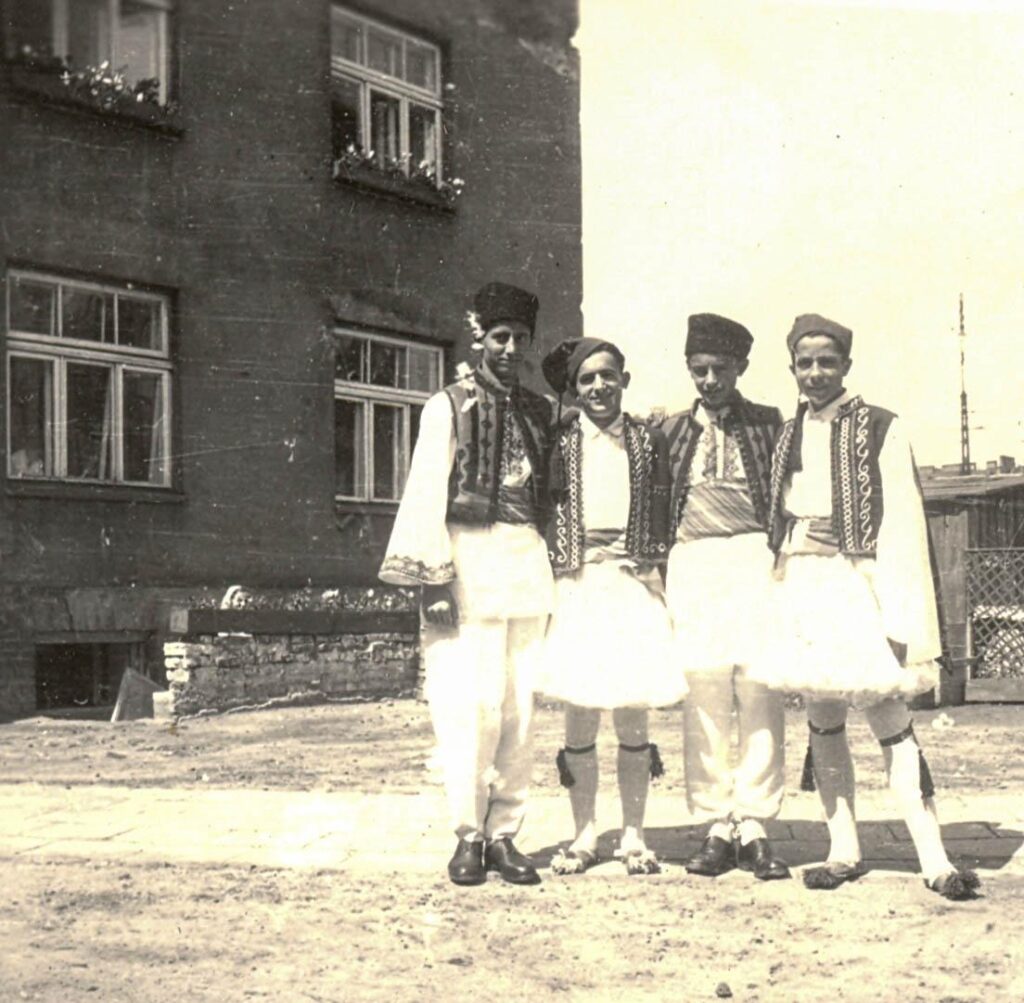
In the 1950s, some of the trainees were directed to work at the Adolf Warski Shipyard and the local Port Authority. In later years, young refugees eagerly took up employment in the merchant navy. The socio-cultural life of Greeks and Macedonians in Poland centered around the Nikos Beloyannis Association of Political Refugees from Greece, established in 1953, which had branches in Szczecin and Police. Some of the refugees joined the ranks of the PZPR (Polish United Workers’ Party). Several Greeks served as councilors on the Municipal National Council in Police and the District National Council in Szczecin. In the mid-1970s, after the fall of the “regime of the colonels” (the junta of the “Black Colonels”) in Greece, about 6,000 refugees previously living in Poland decided to return to their homeland. Those who stayed created small, Greek-Macedonian enclaves. In 1987, within the structures of the Association of Greeks (which replaced the Association of Political Refugees from Greece, dissolved in 1984), there were 77 active members in Police and 64 in Szczecin. Currently, the cultural life of the refugees and their descendants in Szczecin is animated by the “Ellas-Parea” Association of Greeks in Szczecin (chaired by Ekaterini Evangelou).
Other national and ethnic minorities
In addition to those mentioned, other national and ethnic minorities also settled in West Pomerania. In the 2011 Census, affiliation with them was declared by: Roma (1,002 people); Lithuanians (248 people); Russians (505 people); Belarusians (471 people); Czechs (55 people); Karaimes (27 people); Armenians (88 people); Slovaks (56 people); and Tatars (99 people). The Roma are associated in eight organizations across the region (Szczecinek, Białogard, Świnoujście, Pyrzyce, Szczecin, Świdwin). Lithuanians and Russians have their organizations in Szczecin, and Armenians in Koszalin. Unlike the historically formed minorities in eastern Poland, the cultural mosaic in West Pomerania after 1945 is the result of migration processes and forced resettlements. The presence of various minorities in the region did not stem from historical continuity, but from post-war state policy. The early post-war period was characterized by a sense of temporariness and uncertainty, assimilationist trends on the part of the authorities, and the nurturing of identity anew in an unfamiliar environment. After 1989, along with democratization and the adoption of the Act on National and Ethnic Minorities, there was a clear revival of the cultural and social life of minorities. They gained the right to publicly cultivate their identity and distinctiveness.

More:
Zenon Romanow, Ludność niemiecka na ziemiach zachodnich i północnych w latach 1945–1947, Słupsk: Wyższa Szkoła Pedagogiczna w Słupsku 1992
Janusz Mieczkowski, Żydzi, Niemcy i Ukraińcy na Pomorzu Zachodnim w latach 1945–1956: liczba, położenie i działalność polityczna, Szczecin: Wydawnictwo Naukowe Uniwersytetu Szczecińskiego 1994
Igor Hałagida, Ukraińcy na zachodnich i północnych ziemiach polskich 1947–1957, Warszawa: Instytut Pamięci Narodowej 2002.
Magdalena Semczyszyn, Ukraińcy przed Wojskowym Sądem Rejonowym w Szczecinie 1947–1955 – analiza statystyczna i wykaz imienny według zachowanych spraw karnych [w:] Konteksty społeczno-polityczne akcji „Wisła” w 70. rocznicę wydarzeń, red. Piotr J. Krzyżanowski, Paweł A. Leszczyński, Beata A. Orłowska, Mirosław Pecuch, Gorzów Wielkopolski: Akademia im. Jakuba z Paradyża w Gorzowie Wielkopolskim 2018, s. 93-111.
Eryk Krasucki, Historia kręci drejdlem. Z dziejów (nie tylko) szczecińskich Żydów, Łódź: Księży Młyn Dom Wydawniczy 2018.
Magdalena Semczyszyn, Nielegalna emigracja Żydów z Polski 1944–1947 – kontekst międzynarodowy, „Dzieje Najnowsze” 2018, nr 1, s. 95–111.
Mirosław Wojecki, Uchodźcy polityczni z Grecji w Polsce 1948–1975, Jelenia Góra: Karkonoskie Towarzystwo Naukowe 1989.
Magdalena Semczyszyn