


-
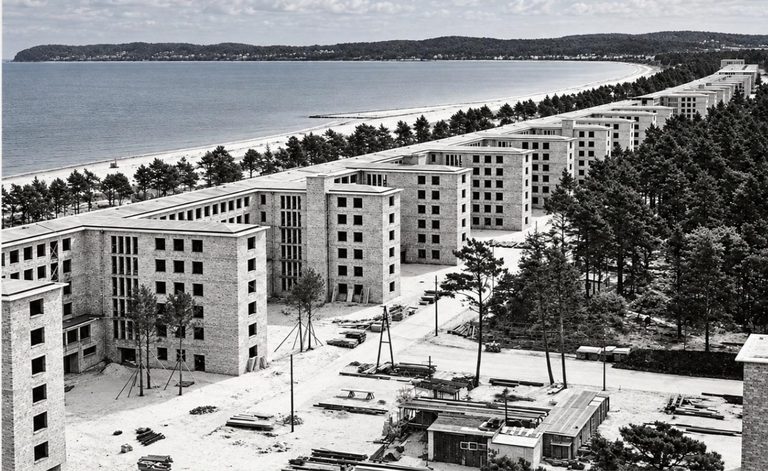
Prora. Zapomniany gigant nad Bałtykiem
By • October 24, 2026– świadectwo nazistowskiej inżynierii społecznej Nazizm – i słusznie – kojarzy nam się przede wszystkim jako nieludzki system terroru i ludobójstwa. Nie można jednak zapominać, że dla zdecydowanej większości Niemców przez lata był systemem, w którym realizowali swoje potrzeby, nadzieje, aspiracje. Znajdowali w nim nie tylko powody do dumy z wyższości nad innymi narodami, ale… -
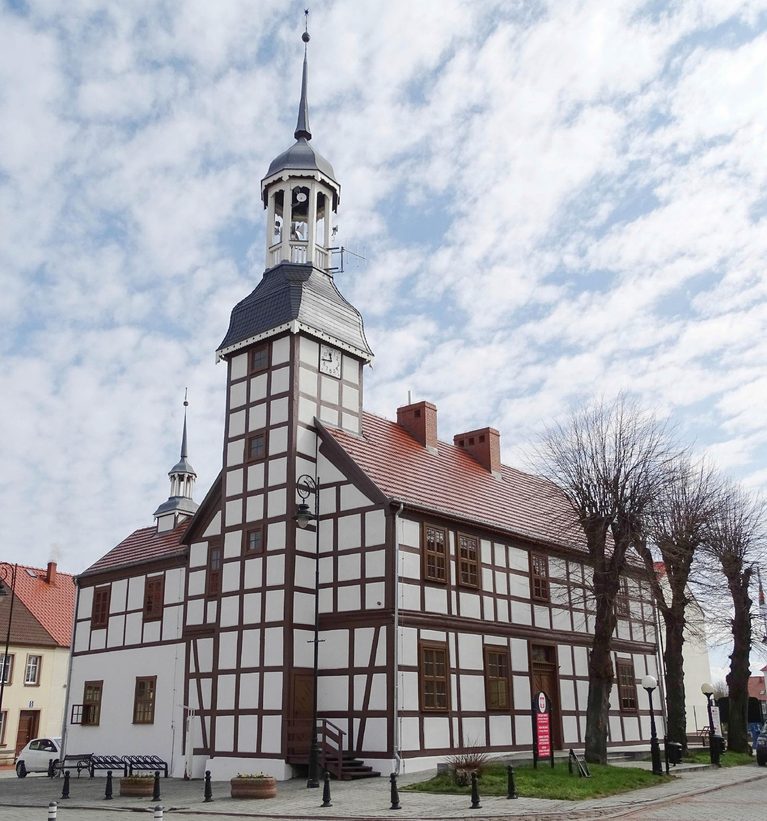
Zachodniopomorska kraina w kratę – na szlaku budownictwa ryglowego
By • October 24, 2026Wstęp Budownictwo ryglowe stanowi jeden z charakterystycznych elementów w krajobrazie kulturowym Pomorza Zachodniego, jest swoistym wyróżnikiem regionu. W województwie zachodniopomorskim jest przeszło 25% wszystkich zabytków ryglowych (szkieletowych) wpisanych w Polsce do rejestru zabytków. Plastyczna, z reguły czarno-biała, faktura budynków stała się podstawą do wykreowania nazwy „kraina w kratę”, szczególnie w odniesieniu do płn.-wschodniej części województwa…. -
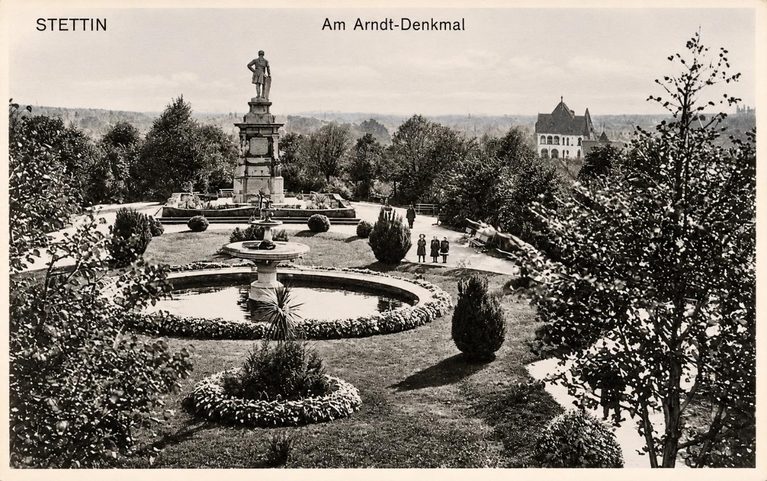
Quistorpowie, szczecińscy przemysłowcy i filantropi
By • October 13, 2026Losy rodziny Quistorpów na trwałe związane są z okresem rozkwitu dziewiętnastowiecznego. Ich sukcesy jako przedsiębiorców, a jednocześnie filantropów stanowią symbol kształtowania się nowoczesnego miasta, choć dzieje jego rodziny związane są z Pomorzem od pokoleń. Ród Quistorpów wywodzi się od Joachima Quistorpa, który urodził się około 1556 roku w Niendorf. Wśród członków rodziny byli wykładowcy akademiccy,… -
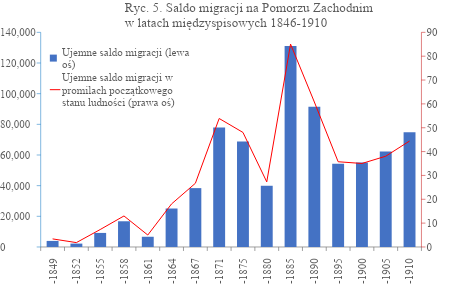
Między folwarkiem a fabryką. Ludność Pomorza Zachodniego w dobie wielkich przemian demograficznych (1815–1939)
By • October 6, 2026Wstęp Pomorze Zachodnie XIX i pierwszej połowy XX wieku to region, w którym czas płynął dwoma odmiennymi nurtami. Z jednej strony rozciągały się tu wielkie przestrzenie agrarnych majątków, gdzie życie wyznaczał rytm prac polowych w cieniu dworskich rezydencji. Z drugiej zaś – dynamicznie rozrastający się organizm Szczecina, który w dobie industrializacji dążył do miana nowoczesnej… -
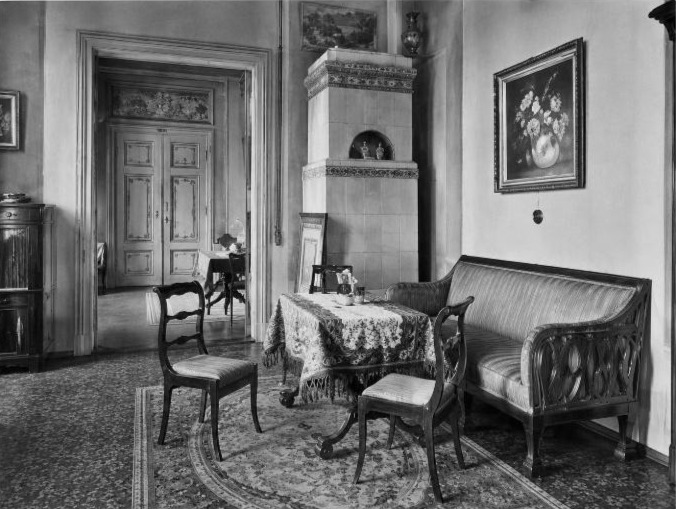
Cultural Szczecin: The Sophie Auguste Tilebein Salon
By • September 2, 2026The turn of the 18th and 19th centuries was a time of great popularity for artistic salons in Europe, a variant of which were literary salons. These were gathering places for the intellectual elite, bringing together creators, audiences, and critics to discuss literature and art, as well as philosophy and politics. These meetings were held… -
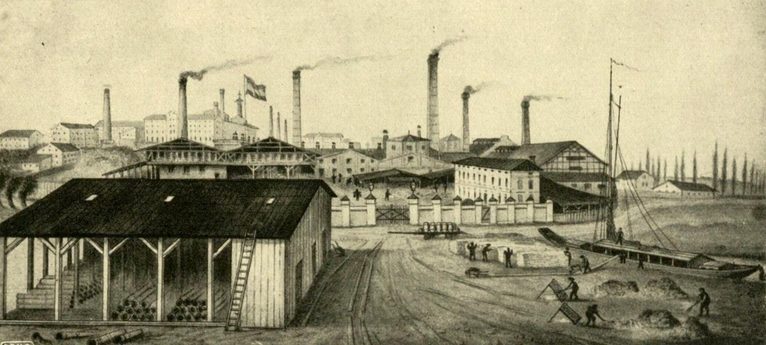
The Economy of the Pomeranian Province in the 19th and the First Half of the 20th Century
By • September 2, 2026Before the rhythm of factory sirens and massive industrial structures permanently varied the landscape of the Pomeranian province, the everyday life of the local inhabitants resembled a struggle with the traditional order. In the first half of the 19th century, this region was characterized by its agrarian nature, where the dynamics of economic processes were… -
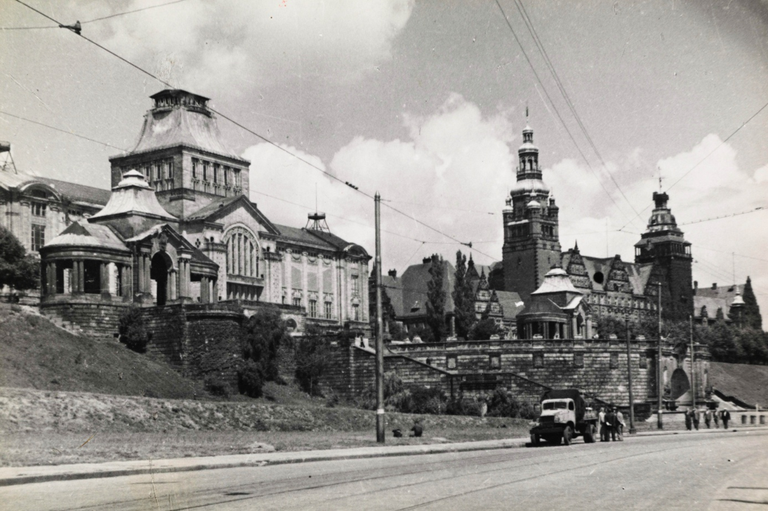
Wały Chrobrego – the landmark of the capital of Western Pomerania
By • September 2, 2026When talking about Szczecin, it is very quickly associated with the post-war name “Wały Chrobrego” (Chrobry Embankment). It is one of the most recognizable places in the city. It constitutes a beautiful complex of public utility buildings, especially the current West Pomeranian Voivodeship Office. This building, along with its surroundings in the past and present,… -
Railways in Western Pomerania in the First Half of the 20th Century (until 1945)
By • July 9, 2026Twilight of the former order and geopolitical changes In November 1918, World War I was drawing to a close. Western Pomerania, much like the rest of defeated Germany, found itself facing transformations that were extremely painful for both the state and society. However, the end of prolonged military operations did not mean an immediate… -
The beginnings of railways in Western Pomerania (until 1918)
By • July 9, 2026Western Pomerania on the Threshold of the Industrial Revolution Before railway routes diversified the landscape of Western Pomerania (the Province of Pomerania), traveling across it frequently resembled a struggle with the elements. In the first half of the 19th century, Pomerania was an agricultural region where the rhythm of life was dictated by the seasons… -
NSDAP and the Nazi Movement in the Province of Pomerania from 1922 to 1945
By • July 4, 2026Until 1928/1929, the National Socialist German Workers’ Party (NSDAP) constituted a marginal and rather unstable political force in Prussian Pomerania. Despite the establishment of the first local group (Ortsgruppe) in Szczecin as early as 1922 and the creation a year later of the Pomeranian district (Gau) headquartered in Greifswald, the party under Adolf Hitler…